Creating a healthier South Asian kitchen
Food is more than just fuel for the body; it is an important element of familial bonding, tradition and culture. Looking at the South Asian kitchen, there is a rich collection of sights and aromas. From spices to sweets, each delicacy reflects flavour, taste and zest. However, as we indulge in these experiences from day to day, it is essential to remember the importance of having a balanced diet. What smells, looks or tastes good, may not be good for the body. In fact, embodying a healthy lifestyle is not just limited to physical well-being. What we put inside our bodies impacts both our mental and physical health.
Natural Health Advisor, BSc. Food, Nutrition and Health, Gunique Gill describes the importance of recognizing the gut-brain connection. Typically, if you aren’t eating right, you aren’t thinking right. Gill shares, “Your gut microbiome is usually linked to your mental state. An overgrowth of bad gut bacteria and low stomach acid can lead to parasite and fungus infestation ultimately resulting in food intolerances and leaky gut, which is further linked to anxiety and depression.”
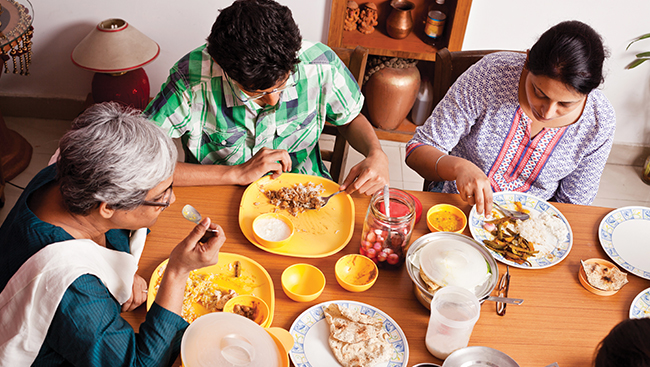
Apart from the mind and soul, an unbalanced diet leads to chronic illnesses, which Fraser Health has found to be more prominent among South Asian communities. Fraser Health’s South Asian Health Institute (SAHI), in the latest South Asian Health Report, put forth the following as some key findings:
| Nearly 60 per cent of South Asians have Body Mass Index (BMI) ≥25; South Asians are at higher risk of diabetes and heart disease at a lower BMI.
| Seven out of eight South Asians do not get enough fruits and vegetables (5+ servings/day).
| Canadian-born South Asians are more likely to have fast food and sugary beverages frequently.
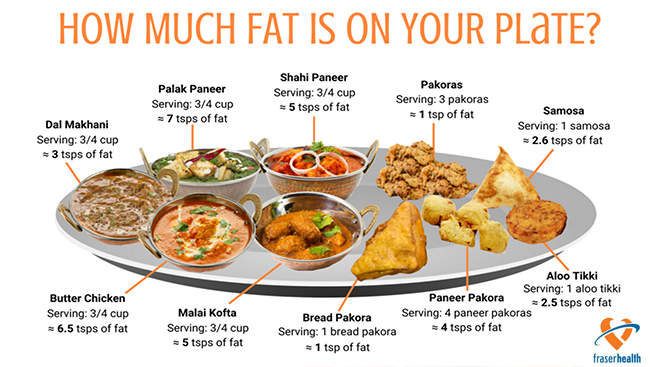
As more and more people become victims of chronic illness and considering the incline of chronic disease in Western society, it is evident that change is needed. The first step towards such a change is awareness. The most mundane dishes that we tend to overlook on the dinner table can add up to be a detriment over time. According to Fraser Health, a filled bowl of Dal Makhni, Malai Kofta, or Palak Paneer can have between three to seven tablespoons of fat. Once we begin to inform ourselves and question the contents of our food, homemakers can take small steps towards creating a healthier dinner plate.
Just by making small changes, a big difference can be seen in the way we feel. Starting today, you can swap the bowl of candies on the center table with a tray of dry fruit. Rather than serving soda or pop at a birthday party, start serving juices. Dessert after dinner does not always have to be cakes, but can also be replaced with fruit.
Gill suggests seasoning dishes with authentic spices and seasonings like rosemary, sea salt, turmeric, nutmeg, or oregano, which not only make meals more delicious, but are loaded with antioxidants as well as tons of anti-inflammatory properties. Moreover, choosing better fats for cooking like grapeseed oil, avocado oil, olive oil rather than trans fats like margarine, which are not readily broken down by the body, can make a significant difference.
Such changes build up to impact the community at large, as the entire family tends to eat what is made in the kitchen. By showcasing to our children that it is important to get involved in what we eat, we are paving the way to a more vibrant future – all through the kitchen in which we cook. Master of Public Health and Registered Dietician, Nazima Qureshi proposes, “Get your children involved in the kitchen by asking them to do simple tasks. When children participate in food prep, they are more likely to try the food.” She goes on to reveal her top three tips for creating change in the kitchen for a healthier lifestyle:
| Increase veggies and aim for half a plate at lunch and dinner. You can have a mix of cooked veggies and raw veggies (salads).
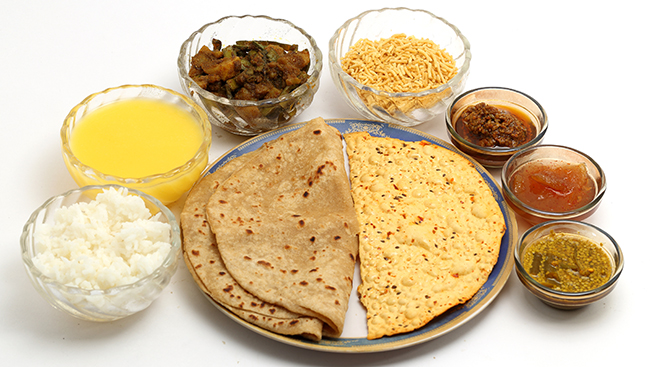
| Swap white flour with whole wheat and whole grain products.
| Decrease the amount of oil used by using non-stick pans and avoid adding extra oil at the end of cooking.
Of course, creating change comes with challenges. For many, healthy eating appears to be a time-consuming task. While it takes time to implement a healthy lifestyle, think of it as an investment. Through a nutritionally-blossoming diet today, you will save thousands of dollars in medical treatments tomorrow – not just for yourself, but also your loved ones.
Be it through creating your own vegetable garden in the backyard or changing what you put on the grocery shopping list, take charge of your health. Needless to say, when one’s well-being is compromised, all other activities become futile and meaningless. If you are what you eat, the choice of who you will become is in your hands!