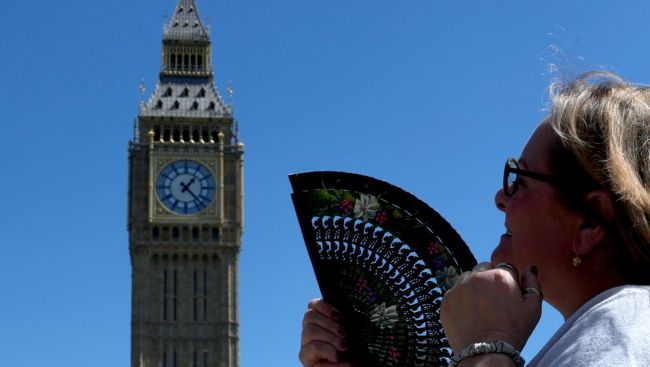
As travelers prepare to set off on summer trips, scorching temperatures lie in wait.
Above-average temperatures could be on the books this summer, according to forecasters, and a developing El Nino event could spell out warmer weather later in the year or next summer. Sizzling temperatures are more than an inconvenience: They can cause heat exhaustion and life-threatening heat stroke.
Travelers can take precautions to have fun with heat preparedness in mind.
“The same way that we prepare for more extreme travel in the cold, we should start to consider those tips to keep us safe in the summer months,” said Dr. Alexander Azan with NYU Langone Health, who co-directs the Project HEATWAVE initiative.
Check the forecast and survey your travel companions
Before taking off, check the air temperatures for both day and night as well as the heat index, which takes humidity into account, Azan said.
If temperatures look scorching, stay flexible. Relocate to cooler regions along the coast or at higher elevations. Plan more strenuous outdoor activities like hiking or long walks during early morning or late evening hours, outside of peak heat windows. A midday movie, museum visit or coffee shop break may be more suitable.
Check whether your lodging will have reliable conditioning and whether the region has had recent power blackouts or brownouts. You can also search for public facilities like cooling centers, and note key phone numbers to report medical emergencies.
In addition to what you're bringing, think about who you're bringing. People with certain medical conditions or medications may be more vulnerable to heat while traveling.
“A lot of the prescription drugs that we take for common conditions like high blood pressure, anxiety, depression, they actually interrupt our body’s ability to thermoregulate,” said Ashley Ward, director of the Heat Policy Innovation Hub at Duke University.
Older adults, those who may be pregnant, young children and infants are also especially susceptible — so adjust plans accordingly. Carrying a baby against your body can transfer additional heat, for example.
Pack a reusable water bottle and bring light-colored, breathable clothing that will keep you cool. Don’t forget sunscreen, sunglasses, a wide-brimmed hat and a cooling towel. A portable fan can be useful too, but avoid using it during particularly high temperatures since it’ll just blow hot air back at you.
Keep car safety in mind during road trips
If you're planning a road trip, get your vehicle inspected a few weeks before to make sure everything is in good condition, especially the engine cooling system and the car battery. If you'll be driving abroad, ask whether the rental car will have air conditioning.
Pack water and snacks to keep passengers and pets energized during the drive and take breaks to hydrate and stretch — but don't leave young children, pets or older adults alone in the car even for a few minutes.
Keep the car as cool as possible by parking in shaded areas and using a windshield protector. When entering a steamy car, turn on the air conditioning but turn off recirculation to keep stale air from cycling. Roll down the windows a bit, then close them and turn recirculation on once the car starts to chill.
To avoid getting stuck in the heat, don’t drive on less than a quarter tank of gas, said AAA senior automotive manager David Bennett. If you do get stuck and the engine is still running, you can cycle it on and off every few minutes so AC can still cool the car. Don't walk along the side of the road in searing temperatures to search for help: instead, stay in the car or nearby shade and put reflectors or cones in front of the vehicle. Bring an extra charger that plugs into the car so you can call for help if needed.
Stay flexible and recognize signs of heat illness
Travelers should be mindful of how their behavior changes on vacation. Spending long hours outdoors, participating in intense activities or consuming more alcohol than usual can increase heat-related risks.
People often get into trouble when they ignore both environmental conditions and the warning signals their bodies are giving them. “They think they can push through. That is a mistake,” Ward said.
During the day's exploring, employ the buddy system and look out for signs of heat illness like feeling dizzy, experiencing nausea or muscle cramps and sweating with cool and clammy skin. If you or a travel partner start to feel sick, get to a shaded area and take sips of water while loosening tight clothing.
If symptoms worsen to slurred speech, falling unconscious, extreme confusion or feeling hot to the touch, seek help immediately. That could indicate something more serious, like heat stroke.
If extreme heat makes a trip untenable, there are ways to recoup costs. Adding a cancel-for-any-reason benefit to your travel insurance can offer partial reimbursement if things get too hot. There are also services like Sensible Weather and WeatherPromise which reimburse travel and lodging costs for every day a trip is dashed by rain, heavy snowfall or high heat. Customers can add a weather guarantee to their cart at extra cost when booking with these organizations' registered travel and hotel partners.
As temperatures continue to climb, experts say the most important thing vacationers can do is listen to their bodies and remain flexible.
By staying aware, taking steps to cool down and adjusting plans where necessary, travelers can help ensure their trip remains both safe and enjoyable.
Picture Courtesy: AP Photo/Kin Cheung, File