Canada is joining the United States in suspending funding for a UN agency that supports Palestinians, in response to allegations agency staff played a role in the Hamas attack on Israel last October. Ottawa has ordered a temporary pause on "any additional funding" for the United Nations Relief and Works Agency for Palestine Refugees in the Near East.
Highway 99 in Richmond will be closed overnight for construction work on the Steveston Interchange project. The B-C Transportation Ministry says in a statement the highway will be shut down in both directions starting 11 p-m and ending Saturday at 4:30 a-m.
B.C. Health Minister Adrian Dix says the province's new seniors advocate is Dan Levitt, an adjunct professor of gerontology at Simon Fraser University and the head of a non-profit long-term care home. Levitt says he's "deeply honoured" to be appointed the province's second seniors advocate, and thanked current advocate Isobel Mackenzie, who is retiring in April.
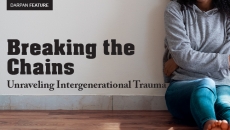
Intergenerational trauma is when traumatic experiences are transferred from parents to children through biological changes in the body or learnt behaviors. Trauma is the emotional response caused by a singular or series of distressing events that are outside one’s ability to cope. These traumatic roots run deep, with events like colonization and the 1947 partition of India and Pakistan leaving profound scars within our community.
The rise of social media platforms and online forums has connected people globally, fostering communication and collaboration. However, this interconnectedness has also opened the door to malicious behavior, with cyberbullying emerging as a formidable threat. Unlike traditional forms of bullying, cyberbullying transcends physical boundaries, allowing perpetrators to target individuals relentlessly through the anonymity afforded by the internet.
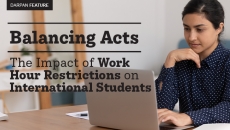
The Immigration and Refugee Protection Regulation stipulates that international students holding a study permit without a work permit are limited to working a maximum of 20 hours per week off-campus during the academic session, while they are permitted to work full-time during breaks between sessions. On-campus work has no hourly restrictions. Violation of this work cap, as outlined by the Government of Canada, may result in severe consequences, including the loss of student status, denial of approval for future study or work permits, or even deportation.