Tuesday, December 9, 2025
ADVT 
Health

Excess Use Of Toothpaste By Kids Leads To Tooth Decay: Study

Darpan News Desk IANS, 02 Feb, 2019 01:44 AM

    Many young kids who use toothpaste more than needed are at an increased risk of dental fluorosis when they get older, warns a new study.


    Fluorosis is a condition that affects the teeth caused by overexposure to fluoride during the first eight years of life.


    Fluoride is a mineral found in water and soil. More than 70 years ago, scientists discovered that people whose drinking water naturally had more fluoride also had fewer cavities. That led to addition of fluoride to tap water, toothpaste, mouthwash and other products.


    However, the study showed that when teeth are forming, too much fluoride can lead to tooth streaking or spottiness or dental fluorosis.


    In addition, the study found that although experts recommend no more than a pea-sized amount, about 40 per cent of kids aged three to six used a brush that was full or half-full of toothpaste.


    "Fluoride is a wonderful benefit but it needs to be used carefully," Mary Hayes, pediatric dentist in Chicago was quoted by Daily Mail.


    For the study, the researchers from Centers for Disease Control and Prevention included parents of more than 5,000 kids ages three to 15.


    Although the researchers did not determine how many kids developed streaked or spotty teeth as a result of using too much toothpaste, they recommended children under three are only supposed to use a smear of toothpaste the size of a grain of rice, reported Daily Mail.


    Kids aged three to six should keep it to a pea-sized amount.


    Young kids may push for independence in brushing their teeth, but kids' toothpaste tastes sweet, according to the team.


    "You don't want them eating it like food. We want the parent to be in charge of the toothbrush and the toothpaste," noted Hayes.

    MORE Health ARTICLES

    Coffee No Longer Deemed Possible Carcinogen

    Coffee No Longer Deemed Possible Carcinogen
    World Health Organization's research arm has downgraded its classification of coffee as a possible carcinogen, declaring there isn't enough proof to show a link to cancer.

    Coffee No Longer Deemed Possible Carcinogen

    Malaria-proof Mosquito? Tool Promising But Needs More Study

    Malaria-proof Mosquito? Tool Promising But Needs More Study
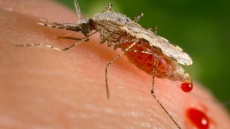
    WASHINGTON — A powerful new technology holds the promise of rapidly altering genes to make malaria-proof mosquitoes, eliminate their Zika-carrying cousins or wipe out an invasive species.

    Malaria-proof Mosquito? Tool Promising But Needs More Study

    Running Better Than Cycling For Long-term Bone Health

    Running Better Than Cycling For Long-term Bone Health
    Exercise that puts greater strain on bones, like running, may help in improving bone health more effectively than non-weight bearing activities like cycling, finds a new study.

    Running Better Than Cycling For Long-term Bone Health

    Every Cigarette Rots You, Inside Out

    Gory pictures on cigarette packets depicting the dangers of smoking have helped people kick the butt. But despite all the images of the diseased lungs and heart, the number of girls taking to the habit of smoking is on the rise.

    Every Cigarette Rots You, Inside Out

    Stress May Kill Sex In First-Time Parents

    Stress May Kill Sex In First-Time Parents
    The findings showed that 12 months after the baby was born, parents reported on their overall sexual satisfaction but mothers reported less sexual satisfaction. 

    Stress May Kill Sex In First-Time Parents

    Brain Scans Reveal Hidden Consciousness In Patients

    NEW YORK — A standard brain scanning technique is showing promise for helping doctors distinguish between patients in a vegetative state and those with hidden signs of consciousness.

    Brain Scans Reveal Hidden Consciousness In Patients