Saturday, December 27, 2025
ADVT 
Health

Hepatitis C may become rare by 2036: Study

Darpan News Desk IANS, 05 Aug, 2014 07:15 AM
    The deadly hepatitis C could become a rare disease by the year 2036 owing to new effective drugs and widespread screening, says a study.
     
    "If we can improve access to treatment and incorporate more aggressive screening guidelines, we can reduce the number of chronic HCV (hepatitis C) cases, prevent more cases of liver cancer and reduce liver-related deaths," said Jagpreet Chhatwal, an assistant professor at the University of Texas of the MD Anderson Cancer Center in the US.
     
    In the study, Chhatwal and his collaborators used a mathematical model with information from several sources including more than 30 clinical trials to predict the impact of new therapies called "direct-acting antivirals" and the use of screening for chronic HCV cases.
     
    Researchers developed a computer model to analyse and predict disease trends from 2001-50.
     
    With new screening guidelines and therapies, HCV will affect only one in 1,500 people in the US by 2036, researchers predicted.
     
    HCV - a virus transmitted through the blood - is spread by sharing needles, the use of contaminated medical equipment and by tattoo and piercing equipment that has not been fully sterilised.
     
    Those at the highest risk of exposure are baby boomers - people born between 1945-65.
     
    The model predicts one-time HCV screening of baby boomers would help identify 487,000 cases over the next 10 years.
     
    The study appeared in the journal Annals of Internal Medicine.
    MORE Health ARTICLES

    Fly's genome study offers hope for sleeping sickness

    Fly's genome study offers hope for sleeping sickness
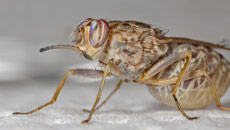
    With genome decoding of tsetse fly that causes the potentially fatal sleeping sickness disease, scientists have discovered new clues to the diet, vision and reproductive strategies of the insect.

    Fly's genome study offers hope for sleeping sickness

    Technology to catch dozing drivers on the go

    Technology to catch dozing drivers on the go
    Long rides at night can now become a lot more pleasant and safe if you listen to researchers who have developed an inexpensive and easier way to find out when the person behind the wheel is about to nod off.

    Technology to catch dozing drivers on the go

    Astronauts may face attention deficit risks

    Astronauts may face attention deficit risks
    Astronauts who are radiation-sensitive need to take extra care to protect their brains as they may face risks of attention deficit and slower reaction times, a study suggests.

    Astronauts may face attention deficit risks

    Befriend a cyber buddy to stay motivated

    Befriend a cyber buddy to stay motivated
    Although a human partner is a better motivator during exercise, a software-generated cyber partner can also be effective in making you work a little extra, research reveals.

    Befriend a cyber buddy to stay motivated

    New method to treat cocaine addiction effectively

    New method to treat cocaine addiction effectively
    There is hardly any effective medications for cocaine addiction, but researchers have now discovered a new compound that can halt cocaine addiction, raising hope for new treatment for drug addicts.

    New method to treat cocaine addiction effectively

    How bariatric surgery can help control diabetes

    How bariatric surgery can help control diabetes
    That bariatric surgery, or obesity surgery, leads to weight loss is well known, but researchers have now identified the mechanism why obesity surgery also leave positive effects on diabetes and heart diseases.

    How bariatric surgery can help control diabetes