Friday, December 19, 2025
ADVT 
Health

Mechanism linked to stroke damage identified

Darpan News Desk IANS, 28 Nov, 2014 12:45 PM
  • Mechanism linked to stroke damage identified
Researchers have discovered the mechanism linked to stroke damage and brain function, thus paving the way to develop a new drug target to block brain damage.
 
Strokes happen when the blood supply to a part of the brain is cut off, but much of the harm to survivors' memory and other cognitive function is often actually caused by "oxidative stress" in the hours and days after the blood supply resumes.
 
The researchers studied the second phase of damage in laboratory mice and found a mechanism in neurons that, if removed, reduced the damage to brain function.
 
"This study has pinpointed a very promising drug target," said study co-author Lin-Hua Jiang from University of Leeds in Britain.
 
The study looked at the damage caused by the excessive production of chemicals called "reactive oxygen species" in brain tissues immediately after blood supply is re-established.
 
In a healthy brain, there are very low levels of reactive oxygen species, but the quantity dramatically increases after a stroke to levels that are harmful to neurons.
 
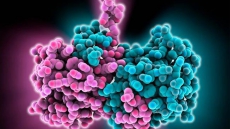
"We identified an 'ion channel' in the membranes of neurons, called TRPM2, which is switched on in the presence of the reactive oxygen species," Jiang added.
 
"We are now screening a large chemical library to find ways of effectively inhibiting this channel," Jiang said.
 
The study was published in the journal Cell Death and Disease.
MORE Health ARTICLES

Single enzyme triggers diabetes, says study

Single enzyme triggers diabetes, says study
A single enzyme promotes the obesity-induced oxidative stress in the pancreatic cells that leads to pre-diabetes and diabetes, researchers have discovered...

Single enzyme triggers diabetes, says study

Autistic adults at higher risk of sexual victimisation: Study

Autistic adults at higher risk of sexual victimisation: Study
The lack of sexual knowledge in adults with autism puts them at a higher risk of sexual victimisation - sexual coercion, unwanted sexual contact attempted rape...

Autistic adults at higher risk of sexual victimisation: Study

Decoded: How Ebola virus disables immune response

Decoded: How Ebola virus disables immune response
Researchers have revealed how Ebola virus blocks and disables the body's natural immune response - paving the way for developing a drug to treat...

Decoded: How Ebola virus disables immune response

HIV vaccine a step closer

HIV vaccine a step closer
 Researchers have uncovered new properties of special HIV antibodies called "broadly neutralising antibodies" or BNAbs, a discovery that could shed...

HIV vaccine a step closer

Computer to help spinal cord injury victims walk

Computer to help spinal cord injury victims walk
For helping people with spinal cord injury walk better, researchers have made an artificial connection from the brain to the locomotion centre in the...

Computer to help spinal cord injury victims walk

How immune system triggers psychological disorders

How immune system triggers psychological disorders
People with high levels of "inflammatory marker" proteins released into the blood in response to infection are at greater risk of developing depression and psychosis, says a study....

How immune system triggers psychological disorders