Wednesday, December 31, 2025
ADVT 
Health

Nervous system plays bigger role in infections

Darpan News Desk IANS, 28 Nov, 2014 12:47 PM
    The nervous system may play a bigger role in infections and auto-immune diseases than previously known, says a study.
     
    Learning more about that role could lead to early diagnosis and treatment of people affected by pandemics or outbreaks of contagious or deadly diseases, such as flu or Ebola, the study added.
     
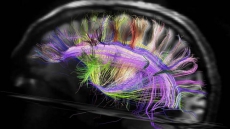
    The researchers noted that neurons of the peripheral nervous system - specialised nerve cells that transmit information throughout the body - are known to send information about local infections or inflammation to the central nervous system (CNS - the brain and spinal cord) so the CNS can co-ordinate the whole body response.
     
    "The neurons may be sending the CNS not just a general 'danger warning' but specific information about whether the infection is caused by a virus or bacteria, the type of bacteria present or the nature of the auto-immune reaction," said Benjamin Steinberg from St. Michael's Hospital in Canada.
     
    "The blue sky idea is that if we know the language and can read the code, in theory we can engineer or write our own," Steinberg said.
     
    Since those messages are being sent from neurons to the CNS in real time, knowing what they are saying could speed diagnoses or prognostication of everything from the stomach flu to rheumatoid arthritis.
     
    The current method for confirming infections is to test body fluids or tissues, sometimes using invasive techniques, a process that can take hours, days or even longer.
     
    "Timely diagnosis and intervention are essential to minimize deaths and complications," Steinberg stressed.
     
    The study appeared in the New England Journal of Medicine.

    MORE Health ARTICLES

    With Early Signs Flu Season Looms, It's Time To Roll Up Your Sleeve

    With Early Signs Flu Season Looms, It's Time To Roll Up Your Sleeve
    TORONTO - Summer is starting to seem like a distant memory. And the remains of your Thanksgiving turkey may not yet be boiling for soup stock.

    With Early Signs Flu Season Looms, It's Time To Roll Up Your Sleeve

    Ebola: When It's Contagious, How It Spreads And Other Things You Need To Know To Stay Safe

    Ebola: When It's Contagious, How It Spreads And Other Things You Need To Know To Stay Safe
    Only when someone is showing symptoms, which can start with vague symptoms including a fever, flu-like body aches and abdominal pain, and then vomiting and diarrhea.

    Ebola: When It's Contagious, How It Spreads And Other Things You Need To Know To Stay Safe

    Brain may produce nerve cells even after stroke

    Brain may produce nerve cells even after stroke
    Scientists have discovered a previously unknown mechanism through which the brain produces new nerve cells even after a stroke....

    Brain may produce nerve cells even after stroke

    How the Ebola virus got its name

    How the Ebola virus got its name
    The deadly Ebola virus that has killed over 3,300 people in West Africa since its current outbreak was confirmed in March, was christened in 1976 after a river....

    How the Ebola virus got its name

    Faecal capsules may treat gut infection

    Faecal capsules may treat gut infection
    C. difficile bacteria live harmlessly in many people's guts alongside hundreds of other species - all competing for space and food. But some antibiotics can kill C...

    Faecal capsules may treat gut infection

    High cholesterol ups risk of prostate cancer recurrence

    High cholesterol ups risk of prostate cancer recurrence
    Higher levels of cholesterol and triglycerides, two types of fat, in the blood of men who underwent surgery for prostate cancer, may increase risk of disease recurrence, says a study....

    High cholesterol ups risk of prostate cancer recurrence