Monday, February 9, 2026
ADVT 
Health

Research offers hope for patients with cardiovascular disease

Darpan News Desk IANS, 04 Nov, 2014 10:05 AM
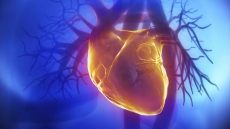
    A new research has shown a protein, which controls the growth of new blood vessels, could potentially reduce the effects of cardiovascular disease in patients' legs, including risks of leg ulcers, gangrene, and amputation.
     
    The new research, involving scientists from the University of Nottingham in Britain and Boston University in the US, has been published in the latest issue of a leading academic journal Nature Medicine, Xinhua reported.
     
    The study centered on the role signal protein vascular endothelial growth factor (VEGF) plays in peripheral arterial disease (PAD), which is one of the most common causes of leg amputation.
     
    The femoral artery becomes blocked by a build-up of fatty deposits leading to ischemia, or loss of blood flow. In the most serious cases, leg tissue begins to die because of gangrene, and the lower leg may need to be removed.
     
    The study found that patients with this disease did not produce the correct form of VEGF needed to stimulate new blood vessel growth in their leg, placing them at greater risk of losing the affected limb.
     
    According to experts, this research has revealed a possible new target for treating people with PAD, which could potentially be manipulated to help improve blood supply to an oxygen-starved limb, lowering the chances of amputation for people with this condition.
     
    The antibody could be used to treat patients with PAD over the course of several months until new blood vessels in their legs have been restored.
     
    The study also showed that administering an antibody of the wrong type of VEGF to obese and diabetic mice reduces the effects of cardiovascular disease. Researchers are now set to develop a similar antibody for use in humans. 

    MORE Health ARTICLES

    Women at greater stroke risk from resistant hyper-tension

    Women at greater stroke risk from resistant hyper-tension
    The condition known as Resistant Hyper-tension increases stroke risk by 35 percent in women and 20 percent in elderly patients, according to new research....

    Women at greater stroke risk from resistant hyper-tension

    Caffeinated 'energy' drinks bad for heart

    "Energy" drinks which are so popular during physical exercise and even otherwise among children and younger adults can cause heart problems, a research shows....

    Caffeinated 'energy' drinks bad for heart

    Wine good for your heart only if you exercise

    Wine good for your heart only if you exercise
    If you think moderate wine drinking can protect against cardio-vascular diseases (CVDs), you are probably right: Just mix daily exercise to it....

    Wine good for your heart only if you exercise

    World's first battery-less pacemaker in the works

    World's first battery-less pacemaker in the works
    In a revolutionary breakthrough for heart patients, scientists have come up with a way to power a cardiac pacemaker with an alternative energy source - the heart motion....

    World's first battery-less pacemaker in the works

    New blood test to reliably detect TB in kids

    New blood test to reliably detect TB in kids
    About one million children per year develop tuberculosis (TB) worldwide, but unfortunately detecting TB in children has been a challenge as the...

    New blood test to reliably detect TB in kids

    Now, 'electronic nose' to detect diarrhoea

    Now, 'electronic nose' to detect diarrhoea
    In what could lead to faster diagnosis of diarrhoea and stomach cramps, researchers have developed an "electronic nose" that can sniff the highly infectious bacteria that causes...

    Now, 'electronic nose' to detect diarrhoea