Monday, February 9, 2026
ADVT 
Health

Research offers hope for patients with cardiovascular disease

Darpan News Desk IANS, 04 Nov, 2014 10:05 AM
    A new research has shown a protein, which controls the growth of new blood vessels, could potentially reduce the effects of cardiovascular disease in patients' legs, including risks of leg ulcers, gangrene, and amputation.
     
    The new research, involving scientists from the University of Nottingham in Britain and Boston University in the US, has been published in the latest issue of a leading academic journal Nature Medicine, Xinhua reported.
     
    The study centered on the role signal protein vascular endothelial growth factor (VEGF) plays in peripheral arterial disease (PAD), which is one of the most common causes of leg amputation.
     
    The femoral artery becomes blocked by a build-up of fatty deposits leading to ischemia, or loss of blood flow. In the most serious cases, leg tissue begins to die because of gangrene, and the lower leg may need to be removed.
     
    The study found that patients with this disease did not produce the correct form of VEGF needed to stimulate new blood vessel growth in their leg, placing them at greater risk of losing the affected limb.
     
    According to experts, this research has revealed a possible new target for treating people with PAD, which could potentially be manipulated to help improve blood supply to an oxygen-starved limb, lowering the chances of amputation for people with this condition.
     
    The antibody could be used to treat patients with PAD over the course of several months until new blood vessels in their legs have been restored.
     
    The study also showed that administering an antibody of the wrong type of VEGF to obese and diabetic mice reduces the effects of cardiovascular disease. Researchers are now set to develop a similar antibody for use in humans. 
    MORE Health ARTICLES

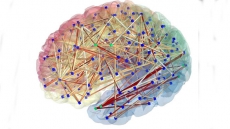
    Brains of depressed young adults 'hyper-connected'

    Brains of depressed young adults 'hyper-connected'
    Several regions of the brain in young adults who have a history of depression are "hyper-connected" -- or are talking to each other a little too much, new research finds....

    Brains of depressed young adults 'hyper-connected'

    Canada pulling 3 member lab team back from Sierra Leone over Ebola fears

    Canada pulling 3 member lab team back from Sierra Leone over Ebola fears
    Canada is bringing three scientists home from Kailahun, Sierra Leone, a post which the World Health Organization has temporarily closed to investigate the infection of an international medical responder working there.

    Canada pulling 3 member lab team back from Sierra Leone over Ebola fears

    More kids at risk of developing diabetes from womb, says study

    More kids at risk of developing diabetes from womb, says study
    New research shows that children exposed to gestational diabetes in the wombs are nearly six times more likely to develop diabetes or prediabetes than children...

    More kids at risk of developing diabetes from womb, says study

    Low-dose aspirin reduces blood clot risk

    Low-dose aspirin reduces blood clot risk
    Low-dose aspirin can help prevent new blood clots among people who are at risk and have already suffered a blood clot, says a promising study....

    Low-dose aspirin reduces blood clot risk

    Knee surgery not needed for mild osteoarthritis

    Knee surgery not needed for mild osteoarthritis
    Middle-aged and older patients with mild osteoarthritis of the knee may not benefit from the procedure of arthroscopic knee surgery, says new research....

    Knee surgery not needed for mild osteoarthritis

    Eye changes can predict dementia

    Eye changes can predict dementia
    A loss of cells in the retina is one of the earliest signs of a form of dementia in people with a genetic risk for the brain disorder - even before any changes appear....

    Eye changes can predict dementia