Monday, February 9, 2026
ADVT 
Health

Research offers hope for patients with cardiovascular disease

Darpan News Desk IANS, 04 Nov, 2014 10:05 AM
    A new research has shown a protein, which controls the growth of new blood vessels, could potentially reduce the effects of cardiovascular disease in patients' legs, including risks of leg ulcers, gangrene, and amputation.
     
    The new research, involving scientists from the University of Nottingham in Britain and Boston University in the US, has been published in the latest issue of a leading academic journal Nature Medicine, Xinhua reported.
     
    The study centered on the role signal protein vascular endothelial growth factor (VEGF) plays in peripheral arterial disease (PAD), which is one of the most common causes of leg amputation.
     
    The femoral artery becomes blocked by a build-up of fatty deposits leading to ischemia, or loss of blood flow. In the most serious cases, leg tissue begins to die because of gangrene, and the lower leg may need to be removed.
     
    The study found that patients with this disease did not produce the correct form of VEGF needed to stimulate new blood vessel growth in their leg, placing them at greater risk of losing the affected limb.
     
    According to experts, this research has revealed a possible new target for treating people with PAD, which could potentially be manipulated to help improve blood supply to an oxygen-starved limb, lowering the chances of amputation for people with this condition.
     
    The antibody could be used to treat patients with PAD over the course of several months until new blood vessels in their legs have been restored.
     
    The study also showed that administering an antibody of the wrong type of VEGF to obese and diabetic mice reduces the effects of cardiovascular disease. Researchers are now set to develop a similar antibody for use in humans. 

    MORE Health ARTICLES

    Green tea can protect spinal cord neurons

    Green tea can protect spinal cord neurons
    Chinese researchers have found evidence that polyphenols can protect spinal cord neurons against oxidative stress and can reduce free radical damage....

    Green tea can protect spinal cord neurons

    Serotonin can reduce sensitivity to pain

    Serotonin can reduce sensitivity to pain
    Researchers at Portugal's Champalimaud Foundation said Friday that the molecule of serotonin in the organism can diminish sensitivity to pain...

    Serotonin can reduce sensitivity to pain

    Pomegranate peel may cure deadly brain disorders

    Pomegranate peel may cure deadly brain disorders
    Do not throw that pomegranate peel in the garbage bin. In the near future, it may be a source of drugs for two incurable diseases that affect the elderly....

    Pomegranate peel may cure deadly brain disorders

    Botox could help treat stomach cancers!

    Botox could help treat stomach cancers!
    Through their study, the scientists have shown how the drug slows cancer growth by eliminating the signals sent by nerves that are linked to cancer stem cells...

    Botox could help treat stomach cancers!

    Lizard tails may help humans get new limbs

    Lizard tails may help humans get new limbs
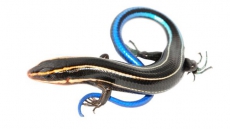
    Lizard tails have fascinated humans from ancient times, falling off and growing back just like new. Now, scientists have solved the mystery of how lizards can regenerate their tails....

    Lizard tails may help humans get new limbs

    Pain pills less effective in irritable bowel syndrome

    Pain pills less effective in irritable bowel syndrome
    Australian researchers have discovered that the immune system is defective in people suffering from irritable bowel syndrome and this renders pain treatment...

    Pain pills less effective in irritable bowel syndrome