Wednesday, December 17, 2025
ADVT 
Health

Why stress, fear trigger heart attacks

Darpan News Desk IANS, 11 Jun, 2014 11:25 AM
    In a first, scientists have come up with an explanation to why a sudden shock, stress and fear may trigger heart attack and they found that multiple bacterial species living as biofilms on arterial walls could hold the key to such attacks.
     
    Hormones released during these events appear to cause bacterial biofilms on arterial walls to disperse, allowing plaque deposits to rupture into the bloodstream, the findings showed.
     
    Because the biofilms are closely bound to arterial plaque, the dispersal of a biofilm could cause sudden release of the surrounding arterial plaque, triggering a heart attack.
     
    "Our hypothesis fitted with the observation that heart attack and stroke often occur following an event where elevated levels of catecholamine hormones are released into the blood and tissues, such as occurs during sudden emotional shock or stress, sudden exertion or over-exertion," said David Davies of Binghamton University in the US.
     
    The researchers isolated and cultured different species of bacteria from diseased carotid arteries that had been removed from patients with atherosclerosis.
     
    Their results showed multiple bacterial species living as biofilms in the walls of every atherosclerotic (plaque-covered) carotid artery tested.
     
    The researchers added norepinephrine, at a level that would be found in the body following stress or exertion, to biofilms formed on the inner walls of silicone tubing.
     
    "At least one species of bacteria - Pseudomonas aeruginosa - commonly associated with carotid arteries in our studies, was able to undergo a biofilm dispersion response when exposed to norepinephrine, a hormone responsible for the fight-or-flight response in humans," Davies stated.
     
    This research suggests that management of bacteria within an arterial plaque lesion may be as important as managing cholesterol.
     
    The study was published in the journal mBio.

    MORE Health ARTICLES

    Befriend a cyber buddy to stay motivated

    Befriend a cyber buddy to stay motivated
    Although a human partner is a better motivator during exercise, a software-generated cyber partner can also be effective in making you work a little extra, research reveals.

    Befriend a cyber buddy to stay motivated

    New method to treat cocaine addiction effectively

    New method to treat cocaine addiction effectively
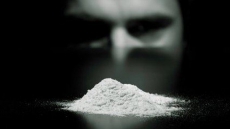
    There is hardly any effective medications for cocaine addiction, but researchers have now discovered a new compound that can halt cocaine addiction, raising hope for new treatment for drug addicts.

    New method to treat cocaine addiction effectively

    How bariatric surgery can help control diabetes

    How bariatric surgery can help control diabetes
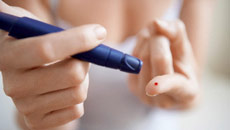
    That bariatric surgery, or obesity surgery, leads to weight loss is well known, but researchers have now identified the mechanism why obesity surgery also leave positive effects on diabetes and heart diseases.

    How bariatric surgery can help control diabetes

    Now, 3D-printed plaster cast to heal wound faster

    Now, 3D-printed plaster cast to heal wound faster
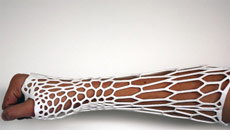
    In what could revolutionise plaster cast technology, a Turkish design student has unveiled a slick 3D-printed cast with ventilation holes that reduces healing time by around 40 percent than currently used plaster casts.

    Now, 3D-printed plaster cast to heal wound faster

    Smart cup that delivers coffee, news too!

    Smart cup that delivers coffee, news too!
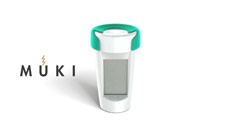
    Reading the morning newspaper while sipping a cup of coffee is set to become an even smoother experience as a Finnish coffee roastery company has developed a smart coffee cup that could also display an e-paper.

    Smart cup that delivers coffee, news too!

    An 'upside-down planet' discovered

    An 'upside-down planet' discovered
    Like so many interesting discoveries, this one happened largely by accident. An astronomer has discovered an ‘upside-down planet’ that reveals new method for studying binary star systems.

    An 'upside-down planet' discovered