Monday, December 29, 2025
ADVT 
Life

Phone Use Limit Can Reverse Sleep Problems In A Week

Darpan News Desk IANS, 20 May, 2019 07:43 PM

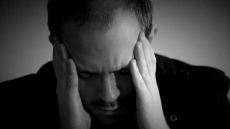
    Limiting evening exposure to blue-light emitting screens on smartphones, tablets and computers can reverse sleep problems and reduce symptoms of fatigue, lack of concentration and bad mood in teenagers, after just one week, says a study.


    The researchers found that those who had more than four hours per day of screen time had on average 30 minutes later sleep onset and wake up times than those who recorded less than one hour per day of screen time, as well as more symptoms of sleep loss.


    "Adolescents increasingly spend more time on devices with screens and sleep complaints are frequent in this age group," said study co-author Dirk Jan Stenvers from Amsterdam UMC hospital in the Netherlands.


    Recent studies have indicated that exposure to too much evening blue light emitted from devices can affect the brain's clock and the production of the sleep hormone melatonin, resulting in disrupted sleep time and quality.


    The lack of sleep does not just cause immediate symptoms of tiredness and poor concentration but can also increase the risk of more serious long-term health issues such as obesity, diabetes and heart disease.


    "Here we show very simply that these sleep complaints can be easily reversed by minimising evening screen use or exposure to blue light. Based on our data, it is likely that adolescent sleep complaints and delayed sleep onset are at least partly mediated by blue light from screens," Stenvers added.


    For the study, the researchers conducted a randomised controlled trial among a small group of smartphone users to assess the effects of blocking blue light with glasses and no screen time during the evening on the sleep pattern.


    Both blocking blue light with glasses and screen abstinence resulted in sleep onset and wake up times occurring 20 minutes earlier, and a reduction in reported symptoms of sleep loss in participants, after just one week.


    The findings were presented at the European Society of Endocrinology annual meeting, ECE 2019 in Lyon, France.


    MORE Life ARTICLES

    Risky situations fuel anxiety among women

    Risky situations fuel anxiety among women
    Risky situations in any setting increases anxiety among women, leading them to perform worse under stressed circumstances, finds a new study....

    Risky situations fuel anxiety among women

    Men viewed favourably when seeking work-life balance

    Men viewed favourably when seeking work-life balance
    Flexible work arrangements are often sought to maintain work-life balance. If we believe a study, these arrangements may exacerbate discrimination based...

    Men viewed favourably when seeking work-life balance

    Are you a workaholic? Read on

    Are you a workaholic? Read on
    Do you spend much more time working than initially intended or you become stressed if you are prohibited from working? Chances are that you are already a workaholic.

    Are you a workaholic? Read on

    Woman goes under the knife to look 'selfie worthy'

    Woman goes under the knife to look 'selfie worthy'
    How far can you go to have a perfect selfie? For 33-year-old Christa Hendershot, it was time for going under the knife so that her engagement ring looks pretty on her hands for social media appearances.

    Woman goes under the knife to look 'selfie worthy'

    Job loss ups suicide risk among teenagers

    Job loss ups suicide risk among teenagers
    Mass layoffs can push some teenagers, especially girls, towards suicide and other suicide-related behaviour, says an alarming study....

    Job loss ups suicide risk among teenagers

    Specks returned from space may be alien visitors; team suspects 7 grains are interstellar dust

    Specks returned from space may be alien visitors; team suspects 7 grains are interstellar dust
    Scientists say seven microscopic particles collected by NASA's comet-chasing spacecraft, Stardust, appear to have originated outside our solar system. If confirmed, this would be the world's first sampling of contemporary interstellar dust.

    Specks returned from space may be alien visitors; team suspects 7 grains are interstellar dust