British Columbia will extend the time between the first and second doses of COVID-19 vaccines to four months as it ramps up its age-based immunization plan to free up doses so all residents could get their initial shot by July.
Provincial health officer Dr. Bonnie Henry says the change is based on the "miraculous" protection of at least 90 per cent from the first dose of the Pfizer-BioNTech and Moderna vaccines.
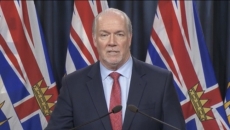
Premier John Horgan; Adrian Dix, Minister of Health; Dr. Bonnie Henry, B.C.'s provincial health officer; and Dr. Penny Ballem, executive lead of the B.C. immunization rollout team, update the next steps in B.C.'s COVID-19 immunization plan rollout. https://t.co/5EsdGbSNH4
— BC Government News (@BCGovNews) March 1, 2021
BC's COVID-19 Immunization Plan focuses on saving lives and protecting the highest-risk people in our community. We are now moving into Phase 2 of our plan focused on protecting more seniors.
— BC Government News (@BCGovNews) March 1, 2021
Learn more: https://t.co/06X2YR2YO5#CovidBC pic.twitter.com/6aXFRnJv9X
She says the National Advisory Committee on Immunization is expected to issue a statement to align with B.C.'s decision, which would free up vaccines for younger age groups.
Starting today, health authorities will contact residents and staff of independent living centres, those living in seniors' supportive housing as well as home-care support clients and staff.
Seniors aged 90 and up can call to book their appointment starting next Monday, followed a week later by those aged 85 and over.
People 80 and over will have a chance to book their time-slot on March 22.
People between 60 and 79 and those aged 16 and up who are medically vulnerable are expected to get their shots starting in mid-April by registering for an appointment online.
She said the National Advisory Committee on Immunization is expected to issue a statement to align with B.C.'s decision, which is also based on similar data from Quebec and countries including Israel and the United Kingdom. Henry says first responders and essential workers may be eligible to get vaccinated starting in April as the province also decides on a strategy for the newly authorized AstraZeneca vaccine, with the first shipment expected to arrive in B.C. next week.
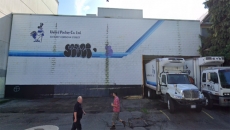
She said the National Advisory Committee on Immunization is expected to issue a statement to align with B.C.'s decision, which is also based on similar data from Quebec and countries including Israel and the United Kingdom. "We've had a number of places in communities around the province where we've had outbreaks. We can think about things like poultry workers (and) people who work in some of our mail distribution centres," she said.
While people will be able to choose whether they want the AstraZeneca vaccine or wait their turn for the Pfizer-BioNTech or Moderna vaccine, Henry said people should go with what is available first.
Premier John Horgan urged people to continue taking precautions — such as wearing masks, practising physical distancing and staying home when sick — aimed at reducing the spread of COVID-19 as vaccines become available.
"We have months to go and I want British Columbians to take the good news we're hearing today with the joy that it deserves. But we need to remind ourselves not just today, but next week and next month, that we have a long way to go," he said.
Dr. Penny Ballem, who is leading the province's vaccination plan, said about 400,000 people are expected to be vaccinated by early April but that number could rise because 70,000 more first doses will be available by stretching out the time before second doses are administered.
Ballem said it's important for people to call for an appointment only when it is their turn, or when the person they're calling for is eligible for vaccination in order to prevent call centres from being overwhelmed as has happened in other jurisdictions.
Information that will be required includes a birth date, personal health number and a postal code to connect people to the right health authority, she said, adding that an online booking system will be operating by mid-April.
"That, in and of itself, is a major, major step forward in our vaccination program," she said of the system that will also help track real-time vaccine effectiveness.