Saturday, June 27, 2026
ADVT 
National

Canadians generally optimistic about human rights, despite challenges: poll

Darpan News Desk The Canadian Press, 18 Nov, 2024 11:48 AM
  • Canadians generally optimistic about human rights, despite challenges: poll

Two-thirds of Canadians are optimistic about where human rights are headed in this country, but there is growing pessimism about the state of rights abroad, a new survey found. 

The Canadian Museum for Human Rights in Winnipeg released its second survey on the topic as it seeks to ensure its exhibits match Canadians' concerns. 

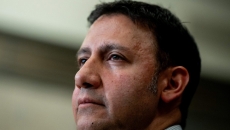
In an increasingly polarized world, museum CEO Isha Khan said she is encouraged that the poll suggests a majority of people share a common sense of social responsibility.

"I think particularly now when we feel polarized, we feel divided in so many ways; it was really heartwarming to see that two-thirds of Canadians felt optimistic about human rights in Canada and about the protections we have here," she said. 

"It felt good to see that 74 per cent of people believe that they have a collective responsibility to care for one another. I mean, that's huge at a time where it's really easy to spend time thinking about some really horrific things going on in the world."

The outlook on human rights among Canadians appears to be less rosy on what's happening abroad, with only one-third of respondents saying they are optimistic about the trajectory of rights internationally. 

Respondents say war and violence are the key drivers of this pessimism, followed by sexism and women's rights. 

Domestically, challenges appear to be emerging when it comes to the rights to health care and safe, affordable housing. A majority of respondents said these rights are in a weaker place than a decade ago in Canada, with 81 per cent saying the right to housing has weakened. 

"Those are tough systemic issues and they're on the minds of Canadians is what (the result) told us. So we've got to find a way to take that energy, that anxiety, that concern and make ways for people to contribute to those issues," Khan said. 

As the Canadian Museum for Human Rights is the first national museum outside the capital region, Khan and her team travelled from Winnipeg to Ottawa to share the findings with civil society organizations, parliamentarians and government officials. 

Khan said the goal of these meetings to is to share how Canadians are feeling on human-rights issues to help inform policy and discourse. 

The survey of 2,500 people was held this fall, done online and by phone when requested. It was conducted by Probe Research in collaboration with the museum. Due to the online nature of the polling, a margin of error cannot be assigned.  

 

MORE National ARTICLES

B.C. drug deaths reach 192 in March; Ottawa approves request to prohibit public use

B.C. drug deaths reach 192 in March; Ottawa approves request to prohibit public use
On the same day the British Columbia government's approach to the overdose crisis faces a major shift, the provincial coroner announced another 192 people were killed by illicit drugs in March.

B.C. drug deaths reach 192 in March; Ottawa approves request to prohibit public use

Ottawa approves British Columbia's request to make public drug use illegal again

Ottawa approves British Columbia's request to make public drug use illegal again
Public drug use became illegal in British Columbia once again on Tuesday, after the federal government granted the province's request to scale back its drug decriminalization pilot.  The change represents a major policy climbdown for the provincial NDP government more than a year into the three-year pilot program with Ottawa that is aimed at tackling the deadly overdose crisis. 

Ottawa approves British Columbia's request to make public drug use illegal again

Illicit drug deaths reach 192 in March in B.C.

Illicit drug deaths reach 192 in March in B.C.
Another 192 people were killed in British Columbia by illicit drugs in March, 11 per cent down from the same month last year.  The BC Coroners Service says the relentless toll makes illicit drugs the leading cause of death for those aged between 10 and 59, surpassing accidents, suicide, homicides and natural causes combined. 

Illicit drug deaths reach 192 in March in B.C.

Israel's military operation in Rafah 'completely unacceptable

Israel's military operation in Rafah 'completely unacceptable
Canada's foreign minister says Israel's invasion of the city of Rafah in the Gaza Strip is "completely unacceptable," and she's holding out hope that ceasefire talks will prevail. 

Israel's military operation in Rafah 'completely unacceptable

Official languages commissioner sees complaints drop by more than half in past year

Official languages commissioner sees complaints drop by more than half in past year
The number of complaints from Canadians who say their language rights weren't respected dropped by more than half last year, but the official languages commissioner says it's too early to say there is a downward trend.

Official languages commissioner sees complaints drop by more than half in past year

Separate controversial Criminal Code changes from Online Harms Act, advocates urge

Separate controversial Criminal Code changes from Online Harms Act, advocates urge
More than 15 civil society groups are urging the justice minister to hive off proposed changes to the Criminal Code and Canadian Human Rights Act from a bill aimed at tackling online harms.

Separate controversial Criminal Code changes from Online Harms Act, advocates urge