Saturday, June 20, 2026
ADVT 
National

Care home changes aim to give families more say

Darpan News Desk The Canadian Press, 03 Nov, 2022 03:26 PM
  • Care home changes aim to give families more say

VICTORIA - The B.C. government says it's giving long-term care residents and their families a more direct line of communication with decision-makers on issues that affect them, after many expressed frustration during the COVID-19 pandemic.

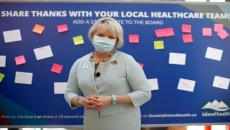
Mable Elmore, parliamentary secretary for senior services, says changes to the residential care regulation will strengthen the voices of resident and family councils.

The councils, which she likened to residential stratas, are groups of people who meet regularly to promote the collective interests of residents and discuss concerns.

The changes include requiring operators to meet more frequently with the councils and the formation of regional and provincial committees.

They come after many families expressed distress during the COVID-19 pandemic about staffing shortages, inconsistent compliance with health regulations and a lack of say over their loved ones' care.

Kim Slater, founder of Family Councils of BC, says the changes are a "game-changer" that will add family voices to policy decision-making, which has historically only included the Health Ministry, health authorities, workers unions and service providers.

"Now, the very people who are actually experiencing long-term care, up close and personal, will have a guaranteed independent collective voice in policy decisions that are impacting them."

Nola Galloway said she helped form an independent family council for her father's home after he went into care in 2009.

She said she believes the councils are essential contributors to improving the quality of life for residents in long-term care, but the pandemic highlighted why it was important they have a guaranteed voice in decisions that affect them.

"Families felt helpless as decisions were being made that tremendously impacted them and their loved ones, yet they had zero input into those decisions."

Those independent councils banded together to form regional associations and then a provincial one, the Family Councils of BC, early this year, she said.

The changes announced Thursday should alleviate some of the challenges those bodies have previously faced without detailed Health Ministry protocols in place to support them, Galloway said.

MORE National ARTICLES

B.C. may not move to Step 4 as cases rise: doctor

B.C. may not move to Step 4 as cases rise: doctor
Henry announced restrictions currently in place in the central Okanagan, such as mandatory mask wearing and reduced limits on indoor and outdoor events, will be expanded across the region in an effort to limit the rise in COVID-19 cases.

B.C. may not move to Step 4 as cases rise: doctor

Canada ramping up evacuation from Kabul

Canada ramping up evacuation from Kabul
He said the government is not requiring passports or COVID-19 negative tests from the Afghan passengers and is deferring biometric screening to a third country, where it's safe for evacuees and government officials to be screened.

Canada ramping up evacuation from Kabul

VPD investigates after driver injured in unprovoked assault

VPD investigates after driver injured in unprovoked assault
The frightening incident occurred around 1 p.m. on August 6, as a 25-year-old man was driving on West Georgia Street, near the Vancouver Art Gallery. A panhandler approached the front of his car, blocked his path forward, and started behaving erratically while asking for money.

VPD investigates after driver injured in unprovoked assault

Canadians in favour of vaccine passports: poll

Canadians in favour of vaccine passports: poll
Seventy-six per cent of respondents to the survey by Leger and the Association for Canadian Studies said they would strongly or somewhat support a vaccine passport like the one Quebec is implementing.

Canadians in favour of vaccine passports: poll

United States extends border restrictions for Canada, Mexico to Sept. 21

United States extends border restrictions for Canada, Mexico to Sept. 21
The U.S. does, however, allow Canadians to fly across the border for non-essential purposes. The 17-month long ban on non-essential travel across the Canada-U.S. border was eased by the Canadian government on Aug. 9.

United States extends border restrictions for Canada, Mexico to Sept. 21

NDP heads to residential school grave site

NDP heads to residential school grave site
Late last month, Singh became the first federal leader to meet with Indigenous chiefs at the site of the former Kamloops Indian School after the discovery of what are believed to be the remains of 215 children.

NDP heads to residential school grave site