OTTAWA — Canada's spy agency helped senior federal officials figure out how to deal with protests expected last summer in response to resource and energy development issues — including a pivotal decision on the Northern Gateway pipeline.
The Canadian Security Intelligence Service prepared advice and briefing material for two June meetings of the deputy ministers' committee on resources and energy, documents obtained under the Access to Information Act show.
The issue was driven by violence during demonstrations against natural-gas fracking in New Brunswick the previous summer and the government's interest in "assuming a proactive approach" in 2014, says a newly declassified memo from Tom Venner, CSIS assistant director for policy and strategic partnerships.
Release of the material comes amid widening concern among environmentalists and civil libertarians about the spy agency's role in gathering information on opponents of natural resource projects. Those worries have been heightened by proposed anti-terrorism legislation that would allow CSIS to go a step further and actively disrupt suspected extremist plots.
Traditional aboriginal and treaty rights issues, including land use, persist across Canada, Venner said in the memo to CSIS director Michel Coulombe in advance of a June 9 meeting of deputy ministers.
"Discontent related to natural resource development across Canada is largely an extension of traditional concerns," he wrote. "In British Columbia, this is primarily related to pipeline projects (such as Northern Gateway)."
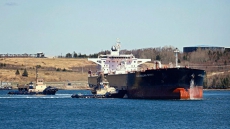
On June 17, the federal government conditionally approved Enbridge's proposed $8-billion Northern Gateway pipeline, which would see Alberta crude flow westward to Kitimat, B.C.
Prior to the federal decision, Venner drafted a second memo for a follow-up meeting of the deputy ministers on June 19, in which he laid out CSIS assessments of three scenarios: approval, approval with aboriginal consultation, or rejection. Much of the content is blanked out.
Other censored sections indicate that while CSIS believes most Northern Gateway opposition falls into the category of legitimate protest and dissent, it concludes some does not.
Public Safety Canada may lead deputy ministers in a guided discussion "that will consider possible federal responses to protest and demonstration incidents," Venner added.
Packages for both meetings included a CSIS synopsis of violence that flared near the Elsipogtog First Nation in New Brunswick in October 2013 when the RCMP enforced a provincial court injunction against an encampment to protest fracking — an underground rock-fracturing process to make gas and oil flow.
The spy agency's summary — portions of which remain secret — notes that during the raid and subsequent arrests, Molotov cocktails were thrown at Mounties, shots were fired from nearby woods and six RCMP cars were set afire.
CSIS also gave deputy ministers a federal risk forecast for the 2014 "spring / summer protest and demonstration season" compiled by the Government Operations Centre, which tracks and analyzes such activity.
CSIS spokeswoman Tahera Mufti did not respond to requests for comment on the newly disclosed documents.
The Elsipogtog conflict was a policing matter, not a threat to national security, said Keith Stewart, an energy campaigner for Greenpeace Canada.
"That was a very localized conflict," he said. "And it was one that we've seen happen over and over again because we haven't dealt with land claims."
With that in mind, Stewart was surprised by the degree of spy service involvement in the Northern Gateway discussions. "I find it odd to see CSIS in the middle of this."
The records make it clear the intelligence service is putting "extensive work" into monitoring protest activity in the extractive sector across Canada, said human rights lawyer Paul Champ.
"The big question I have is, why are they producing these intelligence reports on protest activity they acknowledge is legitimate and outside their mandate?"