VANCOUVER - British Columbia's plan to decriminalize small amounts of illicit drugs for personal use starting Tuesday will include a dashboard of information that will be available to the public and updated quarterly, the federal mental health and addictions minister says.
Carolyn Bennett said the Canadian Institutes of Health Research will evaluate the data on how decriminalization is working and the public is welcome to provide ideas on variables that could be measured as the policy proceeds during a three-year pilot project.
Join Jennifer Whiteside, BC Minister of Mental Health and Addictions; Carolyn Bennett, federal Minister for Mental Health and Addictions; and Dr. Bonnie Henry, Provincial Health Officer, for an update about the implementation of drug decriminalization. https://t.co/1zb9Ss6z2F
— BC Government News (@BCGovNews) January 30, 2023
The federal government granted B.C. an exemption last May from Canada's drug laws to allow substance users to possess a total of 2.5 grams of opioids such as heroin and fentanyl, as well as crack and powder cocaine, methamphetamine and MDMA, also known as ecstasy.
Over 11,000 people have fatally overdosed in the province from toxic street drugs since it was declared a public health emergency in 2016.
The new policy means people who carry drugs up to the permitted threshold for their own use will no longer be arrested or charged, and their illegal substances will no longer be seized.
"Through this exemption, we will be able to reduce the stigma, the fear and shame that keep people who use drugs silent about their use, or using alone, and help more people access life-saving supports and treatment," Bennett said.
"All activities with illegal drugs, including production, trafficking, import and export, remain illegal, even if conducted with the drugs listed in the exemption in amounts under the 2.5 grams threshold," she added.
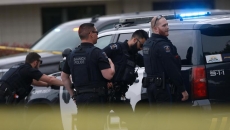
B.C.'s Mental Health and Addictions Minister Jennifer Whiteside said that instead of arresting people, police interacting with them will be handing out so-called resource cards with information on voluntary services available in their community.
Calls will be handled by "substance use navigators" who have been hired by health authorities, she said.
"Those health authorities will be connecting people to all the resources that are available in that particular region, whether that is a detox bed, whether it's a counselling service, they'll have access to a whole range of supports," Whiteside said.
She said decriminalization is just one tool in the fight against the overdose crisis and the province has expanded harm-reduction services and opened more than 360 substance-use treatment and recovery beds since 2017, she said.
"Decriminalization is a crucial part of that system. It will help break barriers and create pathways for more people in our province on their pathway to wellness. We know there's more to do and we won't stop working until we turn the tide on this crisis."
Drug users and advocates say the 2.5-gram threshold is too low and decriminalization should also have applied to youth under 18.
VANCOUVER - British Columbia is introducing a policy of decriminalization on Tuesday as part of what it says is an overall plan to prevent overdose deaths from illicit drugs.
The pilot project will continue until Jan. 31, 2026, after a federal exemption from the Controlled Drugs and Substances Act.
Here are five things to know about decriminalization:
WHICH DRUGS WILL PEOPLE BE PERMITTED TO POSSESS, AND HOW MUCH?
Drug users will be allowed to carry up to a total of 2.5 grams of opioids such as heroin and fentanyl, as well as crack and powder cocaine, methamphetamine and MDMA, also known as ecstasy. B.C.'s application to the federal government called for 4.5 grams, but police requested one gram before a decision by Ottawa to allow a cumulative 2.5 grams.
WHY IS B.C. DECRIMINALIZING PEOPLE WHO POSSESS ILLEGAL DRUGS?
The province says it aims to reduce stigma around drug use, so people reach out for help to get services like counselling and treatment in the midst of the crisis that has claimed over 11,000 lives since a public health emergency was declared in April 2016. The B.C. government says decriminalization is one tool to deal with the toxic drug supply. However, drug users and advocates are concerned that services will not be available when people are ready to use them, especially in rural and remote communities.
HOW WILL THE JUSTICE SYSTEM ADAPT TO DECRIMINALIZATION?
Substance users who carry up to the maximum threshold will no longer be arrested or charged, and police will not seize their drugs. Instead, police will be handing out so-called resource cards with information on where people can access services in their community. The province says it has hired staff in each health authority to liaise with people who have been referred by police.
HOW WILL DECRIMINALIZATION BE MONITORED AND EVALUATED?
The federal and provincial governments say they will work together to monitor indicators related to health and criminal justice, for example. Trends in substance use, interactions with police and public perceptions of people who use drugs are expected to be included in the data, as well as input from drug users. The evaluation will be done by the Canadian Institutes of Health Research.
WHAT ARE SOME EXCEPTIONS TO POSSESSION OF ILLEGAL SUBSTANCES?
Illegal drugs will still be prohibited for youth under 18, on school grounds, at licensed child-care facilities and at airports.