VANCOUVER - British Columbia's recent cold snap poses significant issues for wildlife across the province, experts warn, noting freezing temperatures deplete reliable food sources for a variety of animals.
The Wildlife Rescue Association says the weather is having a particularly detrimental impact on birds.
"Extreme winter conditions create a survival crisis for animals who are facing frostbite, dehydration and damage from getting stuck to frozen metal feeders and objects," the organization said in a release. "Without proper care and nutrition, freezing temperatures can lead to starvation and death of many local wildlife."
The association said 53 hummingbirds from the Lower Mainland were brought into its care during the last week of December when the temperature first plummeted, a drastic increase in comparison to the four birds it treated during the same time period a year earlier.
Jackie McQuillan, the association's outpatient care lead, believes the figure likely represents a "small fraction" of the number of birds affected.
“These really dramatic weather changes that we're seeing have considerable impacts on wildlife, and it's difficult for us to be able to anticipate how that will change populations, but we know that it's having an effect," she said, while urging people to contact the group if they find an animal in distress.
The Ministry of Lands and Forests said most species have adapted to survive short spells of unseasonably cold weather, but is encouraging residents to do their best to leave wildlife undisturbed.
"Weather often impacts individual wildlife as well as populations and weather patterns are often one of the biggest predictors of wildlife population trends," the ministry said in an email. "It is normal for some animals to succumb during the winter months. This is a natural process and can balance with available habitat and populations will recover as the habitat recovers."
Ann Nightingale, a volunteer and board member for the Rocky Mountain Bird Observatory based in Victoria, agreed that it is natural for some birds to die during winter in the province. But longer-term issues, she argued, may arise during prolonged periods of freezing temperatures.
"The more extreme cold events you have and the closer they are together, the greater the potential impact on the whole population," she said. "We're seeing range changes in certain species and I think we could expect that to continue due to climate change. There are birds that barely survive in our climate now that won’t be able to survive in our climate if it keeps changing."
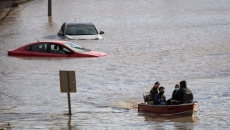
Nightingale said this is true for extreme events in both winter and summer months, noting last year's severe flooding and heat dome also affected B.C.'s ecosystem.
She said extreme events like wildfires can also disrupt avian migratory patterns by depleting food supplies along birds' paths and could result in lasting changes to Canada's ecosystem.
"Climate is related to food in a big way," Nightingale said, citing that insect populations have diminished in the province as a result of such events. "Insect have a real impact up the food chain to birds, which are simply not able to survive because they're not getting enough food.”
As unpredictable weather continues, wildlife experts have begun encouraging people to start taking steps to help animals survive extreme events. Suggestions include making sure feeders don't freeze during the winter and fresh, unfrozen water remains available for birds that have become dependent on feeders.
Nightingale also suggests people stop using pesticides, choose something other than translucent glass panes in their homes as birds often unknowingly fly into them, and limit free-roaming cats that may threaten the population.
“I think we have to focus on being a part of nature, and not fighting it at every step," said Nightingale.