
Saturday, June 6, 2026
ADVT 
National

First Nations want more B.C. COVID-19 data

Darpan News Desk The Canadian Press, 15 Sep, 2020 09:27 PM
  • First Nations want more B.C. COVID-19 data

A coalition of First Nations is asking British Columbia's privacy commissioner to compel the Health Ministry to disclose presumptive COVID-19 cases in their communities.

The Heiltsuk, Nuu-chah-nulth and Tsilhqot'in governments said Tuesday they filed the application because the B.C. government refuses to share the information, arguing that poses risk of significant harm to their communities.

Heiltsuk Nation Chief Marilyn Slett said in a statement that having an outbreak before the province will share the information "is reckless and colonial" and goes against the province's promises of reconciliation.

Health Minister Adrian Dix said he met with First Nations leaders on Monday and the ministry has worked with various communities to address matters related to COVID-19 transmission when it occurs.

"There are issues to balance here in terms of people's right to privacy, which is closely connected with their willingness to engage with us in the health-care system," he said.

Similar calls to identify communities with COVID-19 cases have been raised since the beginning of the pandemic by both the Interior Health Authority and the Island Health Authority, Dix said.

"We're just going to continue to work through these issues to ensure that we control the transmission of COVID-19, particularly in Indigenous communities but also in rural and remote communities."

The First Nations said provincial health officer Dr. Bonnie Henry has acknowledged the unique threat COVID-19 poses to remote Indigenous communities, yet the Health Ministry hasn't explained why presumptive COVID-19 cases don't present a risk to them.

Henry told a news conference Monday that the government has been working on the issue, but she also has a responsibility for the protection of personal health information.

"I will say that in many cases, the community will know before we know when somebody is ill and before they go for testing," Henry said. "Where we get notified is when the tests come back positive."

The B.C. Freedom of Information and Privacy Association is supporting the request. Association president Mike Larson said disclosing the information so the First Nations can conduct contact tracing is in the public interest.

The Health Ministry's policy of disregarding First Nations' efforts to govern during the pandemic is wrong, said Judith Sayers, president of the Nuu-chah-nulth Tribal Council.

"We must have access to the same health datasets the B.C. government has, on a government-to-government basis, if we are going to get through this pandemic together."

The First Nations said past pandemics, including smallpox and the Spanish flu, have devastated First Nation communities and taken the lives of their elders.

MORE National ARTICLES

Trump hints at easing Canada-U.S. travel limits

Trump hints at easing Canada-U.S. travel limits
President Donald Trump signalled Wednesday that he's prepared to support easing travel restrictions along the Canada-U.S. border sooner rather than later — although the feeling may not be mutual, given the extent of the COVID-19 outbreak in the United States. Canada is "doing well" in its efforts to control the spread of the virus, Trump said during his daily media briefing at the White House.

Trump hints at easing Canada-U.S. travel limits

B.C. woman charged after deliberately coughing on grocery clerk: RCMP Tissues and toilet paper aren't worth arrest

A woman is facing criminal charges after RCMP in British Columbia allege she coughed at a grocery clerk who would not let her buy extra tissues. Police say a store in the Vancouver suburb of Coquitlam has set a maximum amount of tissues and toilet paper each customer can buy as the COVID-19 pandemic wears on.

B.C. woman charged after deliberately coughing on grocery clerk: RCMP Tissues and toilet paper aren't worth arrest

Canadians drinking more due to stress, boredom during COVID-19

A study commissioned by the Canadian Centre on Substance Use and Addiction suggests some Canadians are drinking more alcohol due to boredom and stress during the COVID-19 pandemic. The poll, conducted by Nanos Research, found 25 per cent of Canadians aged 35 to 54 and 21 per cent of Canadians aged 18 to 34 say they have increased the amount of alcohol they drink while spending more time at home.    

Canadians drinking more due to stress, boredom during COVID-19

Ferries, orchestra retract layoffs, await subsidy

Vancouver Symphony Orchestra and BC Ferries have rescinded lay-off notices in anticipation of receiving the Canadian government's emergency wage subsidies. Both BC Ferries and the symphony had planned layoffs to take effect on the Easter weekend as the COVID-19 pandemic drains away their businesses.

Ferries, orchestra retract layoffs, await subsidy

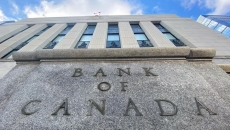
The Bank of Canada announced that it is holding its interest rate target at 0.25 per cent

The Bank of Canada announced that it is holding its interest rate target at 0.25 per cent
The Bank of Canada is warning that the downturn tied to COVID-19 will be the worst on record and that the economic recovery will depend on the effectiveness of current measures to bring the pandemic under control. The bank announced that it is keeping its key interest rate target on hold at 0.25 per cent, saying that it is effectively as low as it can go to combat the economic impacts of COVID-19.

The Bank of Canada announced that it is holding its interest rate target at 0.25 per cent

Liberals ease access to emergency COVID-19 benefit, plan to top-up wages

The federal government is making changes to its COVID-19 programs to send emergency aid to seasonal workers without jobs and those whose hours have been drastically cut but who still have some income. The changes will also allow people who are making up to $1,000 a month to qualify for the Canada Emergency Response Benefit, as well as those whose employment insurance benefits have run out since the start of the calendar year.    

Liberals ease access to emergency COVID-19 benefit, plan to top-up wages