A group advocating for the conservation of wild Atlantic salmon says the number of adult salmon returning to North America rivers fell to near historic lows last year.
The Atlantic Salmon Federation's annual "State of Wild Atlantic Salmon Report" released today indicates returns for large salmon were the third lowest in the past five decades.
The federation says there has been a "continuing a downward trend that threatens the sustainability of the species."
The group's scientists estimate 103,900 large salmon returned to the 86 rivers studied in 2019, down from estimates of about 131,800 the year before.
The vast majority of large salmon in North America return to three regions: Labrador, Quebec and the southern Gulf of St. Lawrence.
A large salmon is defined by the federation as adult Atlantic salmon that have spent two or more years at sea and have spawned at least twice.
Meanwhile, there were about 332,000 grilse — adult salmon that have spent one winter at sea — that returned to their native rivers, which is the eighth lowest level in the past five decades.
In recent decades, the harvest of salmon has been significantly reduced through a series of conservation measures, helping to stabilize some populations, but the species has recently been declining again.
Bill Taylor, the president of the federation, says the salmon are struggling to adapt to warming rivers and pressure from human development that continues to alter waterways and landscapes.
"It will take provincial and federal governments working side-by-side with First Nations organizations, watershed groups and non-governmental organizations on priority projects to make a change," he said.
Indigenous harvesters take 57 per cent of the allowed catch of the salmon, while recreational fisheries take 40 per cent, a local Labrador food fishery takes two per cent and residents of St-Pierre-Miquelon take one per cent.
These groups caught a total of 127 metric tonnes of the species last year.
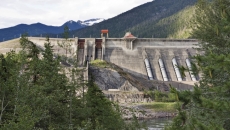
The federation says that throughout North America, freshwater habitat has been degraded by dams, industrial forestry, large-scale agriculture and invasive species, making rivers less resilient to climate change.
"The combined effect is that fewer juvenile salmon parr are living to become smolt, and fewer smolt are making it successfully to their ocean feeding grounds," said Taylor.
The federation and its partners in Greenland and Iceland have agreed to reduce harvests at sea.
However, the group says much remains to be done in rivers in Canada and the United States.
The federation also says it's time for the federal Fisheries Department to follow up on its wild Atlantic salmon conservation policy and "to go further by supporting a new model for conservation that includes the provinces, Indigenous groups, and non-governmental organizations."