Damage to Earth's oceans and glaciers from climate change is outpacing the ability of governments to protect them, a new report from an international scientific panel concludes.
The report from the Intergovernmental Panel on Climate Change says those changes are having direct impacts on human health — including in Canada.
"It doesn't matter where you live in the world or where you live in Canada, the impacts of climate change are going to impact everyone," said Sherilee Harper, an epidemiologist at the University of Alberta who was one of the lead authors.
The panel released its report, compiled by more than 100 authors worldwide from more than 7,000 papers, at a scientific gathering in Monaco on Wednesday. A companion to a recent paper on the effect of a warming climate on land, the document lays out what's in store for oceans, glaciers and permafrost.
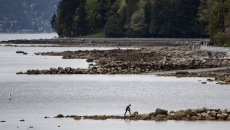
Oceans are rising faster and faster, becoming more acidic and warmer at a pace that has doubled since 1993. Oxygen is disappearing from their upper layers and currents that bring warm water north are weakening.
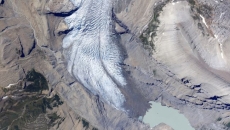
Glaciers, the source of rivers, are shrinking. Permafrost, which stores twice as much carbon as the atmosphere, is at record temperatures.
The changes are affecting people. For example, there have been outbreaks of vibrio poisoning, causing gastrointestinal illness, from shellfish living in warm water.
"We're starting to see outbreaks of different vibrio species in places we did not see them before and that's been attributed to ocean warming," Harper said.
Arctic communities will be directly affected.
"For both the Arctic and west of B.C., the report talks about how the decreased catch of fish and seafood will impact nutrition for the people who live there," Harper said.
"We'll see anywhere from a 20 to 30 per cent decrease in their nutrient intake because of those climate change impacts on fish distribution."
By 2060 — within the lifetime of about half of Canadians now living — coastal floods off British Columbia and the Maritimes that used to occur once a century will be annual events.
Water availability across Western Canada will be disrupted.
Crucial kelp forests and seagrass meadows that shelter thousands of species from fish to seals to seabirds off both east and west coasts are threatened.
"The decline of kelp forests is projected to continue in temperate regions due to warming, particularly under the projected intensification of marine heat waves, with high risk of local extinctions," says the report.
And while animals in Arctic seas are expected to increase, that comes at the price of dramatic declines everywhere else in the world.
The report gives short shrift to anyone continuing to doubt the impact of human-caused climate change.
"Global warming has led to widespread shrinking of ... ice sheets and glaciers, reductions in snow cover, Arctic sea ice extent and thickness and increased permafrost temperature," it says. All of those statements are rated "very high confidence," which is as confident as the report's careful language allows itself.
The report notes that while the globe is now locked in to decades of disruption from current greenhouse gas levels, almost all negative effects can be softened by reduced emissions.
It ends with a plea for governments to co-operate and calls for "profound economic and institutional transformative change."
"Nations need to act," Harper said.
"But there's also ways that provinces can act and municipalities can act. If we're going to have transformational change in governments, we need to do that from international to national to local.
"We have to act now. We need to start making those decisions today because the decisions we make today will have impacts centuries from now."