Monday, June 15, 2026
ADVT 
National

Reformed fiscal stabilization to cost $4.5B: PBO

Darpan News Desk The Canadian Press, 20 Jan, 2021 06:40 PM
  • Reformed fiscal stabilization to cost $4.5B: PBO

Reforms to a federal support program for provinces will nearly triple the cost to Ottawa next year, with the price tag projected to be about $4.5 billion, says Canada's parliamentary budget officer.

Yves Giroux says the government's fiscal stabilization program, which transfers cash to provinces that experience steep year-over-year revenue drops, will increase by $2.9 billion in fiscal 2021-22.

Prime Minister Justin Trudeau announced a major change to the program in the government's fall economic update.

The revenue-insurance plan will lift funding capped for more than three decades at $60 per resident to $170, indexing the payment ceiling to Canada’s rate of GDP growth per person.

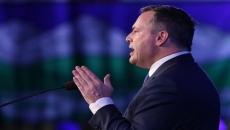
Alberta Premier Jason Kenney has said the overhaul does not go far enough, calling it a "slap in the face," since even major declines in resource revenue might not trigger the fiscal stabilization, while a five per cent drop in non-resource revenue will.

The program only kicks in for resource income when decreases exceed 50 per cent.

The beefed-up federal support comes as provinces wobble under the strain of record deficits and revenue shortfalls due to the COVID-19 pandemic and related restrictions.

Several provincial ministers expressed disappointment the Liberals didn't eliminate the funding cap as they had asked.

Alberta Finance Minister Travis Toews said last month his province expected to receive $750 million under the new limits, a figure that falls well short of what Alberta could use.

Newfoundland and Labrador's Finance Minister Siobhan Coady has said that her province's projected 45 per cent drop in offshore oil revenues this year would not allow it to qualify for help through the stabilization fund.

Provinces are also allowed to apply for an interest-free loan under the program, though none has requested one since 1987, the budget office says.

The program dates back to 1967, brought in under Lester Pearson's Liberal government to help cushion the blow to provinces going through economic rough patches.
MORE National ARTICLES

Macklem to central bankers: Speak simply

Macklem to central bankers: Speak simply
The head of the Bank of Canada made an international pitch to his fellow central bankers on Thursday to forge closer ties with average citizens to manage economic expectations through the pandemic, or risk losing public trust and face an existential crisis.

Macklem to central bankers: Speak simply

Elections Canada braces for pandemic vote

Elections Canada braces for pandemic vote
Elections Canada is bracing for an explosive increase in the number of Canadians who vote by mail should the country be plunged into an election during the COVID-19 pandemic.

Elections Canada braces for pandemic vote

Back-to-school day for many Quebec students

Back-to-school day for many Quebec students
There was a mixture of anxiety and regular back-to-school excitement this morning as tens of thousands of Montreal-area children returned to class for the first time since the emergence of COVID-19.

Back-to-school day for many Quebec students

Alberta expects deficit of more than $24B

Alberta expects deficit of more than $24B
The double blow of collapsing oil prices and the COVID-19 crisis has pushed Alberta into a historic deficit of $24.2 billion — more than triple what the United Conservative government projected in its February budget.

Alberta expects deficit of more than $24B

Spike in requests for mail-in ballots in N.B

Spike in requests for mail-in ballots in N.B
New Brunswick's chief electoral officer says there's been a spike in requests for mail-in ballots as voters prepare to choose their next provincial government in the first election in Canada called during the COVID-19 pandemic.

Spike in requests for mail-in ballots in N.B

Canadians with disabilities struggling financially: survey

Canadians with disabilities struggling financially: survey
A Statistics Canada report suggests that more than half of Canadians with disabilities who participated in a crowdsourced survey are struggling to make ends meet because of the financial impacts of the COVID-19 crisis.

Canadians with disabilities struggling financially: survey