Sunday, June 28, 2026
ADVT 
National

Regions move to mix and match second COVID-19 dose

Darpan News Desk The Canadian Press, 03 Jun, 2021 09:50 AM
  • Regions move to mix and match second COVID-19 dose

Canada’s two most populous provinces continue to see a steady decline of COVID-19 infections and hospitalizations as more regions across the country move to mix and match second doses of the vaccine.

Health officials in Ontario say that people who have received a first dose of the Oxford-AstraZeneca vaccine will be able to get Pfizer-BioNTech or Moderna as a booster starting on Friday.

The decision follows guidance from the National Advisory Committee on Immunization earlier this week.

There were 870 new cases in the province today and 10 more deaths linked to the virus.

Meanwhile, Quebec reported 267 new infections and six more deaths from COVID-19.

Quebec has been mixing doses since April, but is still seeing lagging vaccination rates in two of the cities most affected by the pandemic — Montreal and its northern suburb Laval, Que.
 

MORE National ARTICLES

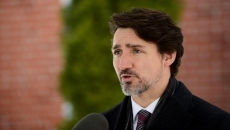
Prime Minister Justin Trudeau defends not creating universal COVID-19 benefit, announces student aid

Prime Minister Justin Trudeau defends not creating universal COVID-19 benefit, announces student aid
As he announced yet another emergency financial aid package Wednesday — this one aimed at students — Prime Minister Justin Trudeau defended his decision not to create a universal benefit that would ensure no Canadians affected by COVID-19 fall through the cracks. His focus for specific help Wednesday was students, announcing a $9-billion suite of programs for students whose education and job prospects are disrupted by the novel coronavirus.  Trudeau says his government's approach has been to try to target its emergency financial assistance in stages to those who need it most, rather than to everyone at once, including those who don't need it.      

Prime Minister Justin Trudeau defends not creating universal COVID-19 benefit, announces student aid

What BC is doing to fight COVID-19

What BC is doing to fight COVID-19
B.C. declared a provincial state of emergency on March 18, a day after announcing a public health emergency, and it has been extended to April 28. The measure gives the province authority to take any action necessary to protect people and communities, including charging people who ignore public health orders.

What BC is doing to fight COVID-19

Feds scramble to bring stranded Canadian travellers home from India PM: Canadians stranded in India need more help

Feds scramble to bring stranded Canadian travellers home from India PM: Canadians stranded in India need more help
Prime Minister Justin Trudeau says 20,000 Canadian travellers stranded abroad have been repatriated to Canada. But he says many more flights are needed to bring back large numbers of Canadians from India in particular.

Feds scramble to bring stranded Canadian travellers home from India PM: Canadians stranded in India need more help

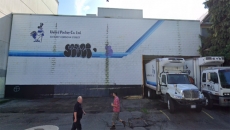
Vancouver chicken plant closed after 28 workers test positive for COVID-19

Vancouver chicken plant closed after 28 workers test positive for COVID-19
"VICTORIA - A chicken processing plant in Vancouver has been closed after 28 workers tested positive for COVID-19, the provincial health officer said Tuesday.

Vancouver chicken plant closed after 28 workers test positive for COVID-19

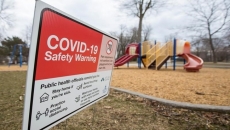
Worried for kid's social development amid pandemic? Experts say routine can help

Worried for kid's social development amid pandemic? Experts say routine can help
Justin Kinch would spend his pre-pandemic evenings taking his two young children to local parks in his neighbourhood, introducing them to new cultures and giving them opportunities to play and interact with plenty of other kids.

Worried for kid's social development amid pandemic? Experts say routine can help

Less driving, fewer crashes should bring cheaper insurance

Less driving, fewer crashes should bring cheaper insurance
DETROIT - Those lightly travelled freeways and streets could be putting a few dollar bills into your wallet.

Less driving, fewer crashes should bring cheaper insurance