
Saturday, June 20, 2026
ADVT 
National

Report calls for risk mitigation in Arctic

Darpan News Desk The Canadian Press, 21 May, 2021 10:08 AM
  • Report calls for risk mitigation in Arctic

The Transportation Safety Board of Canada is calling for mandatory risk mitigation measures for vessels operating in the Canadian Arctic after a passenger boat ran aground nearly three years ago.

The vessel Academik Ioffe was grounded in the western Gulf Boothia near Kugaaruk, Nunavut, with 102 passengers and 61 crew on board in August 2018.

The coast guard, along with the Canadian military, evacuated all passengers and the ship had serious damage to its hull.

It also spilled 81 litres of fuel oil into the ocean.

A report released Friday by the safety board says the boat went through a part of the Canadian Arctic that hadn't been mapped to modern standards, and where none of its crew had ever been.

The vessel then entered shallow waters where it sailed for over four minutes before it was grounded because its alarm system to detect low water had been turned off.

The board also says the vessel's safety operations didn't meet the international standard and emergency procedures for the vessel being grounded didn't exist.
MORE National ARTICLES

Canadians drinking more due to stress, boredom during COVID-19

A study commissioned by the Canadian Centre on Substance Use and Addiction suggests some Canadians are drinking more alcohol due to boredom and stress during the COVID-19 pandemic. The poll, conducted by Nanos Research, found 25 per cent of Canadians aged 35 to 54 and 21 per cent of Canadians aged 18 to 34 say they have increased the amount of alcohol they drink while spending more time at home.    

Canadians drinking more due to stress, boredom during COVID-19

Ferries, orchestra retract layoffs, await subsidy

Vancouver Symphony Orchestra and BC Ferries have rescinded lay-off notices in anticipation of receiving the Canadian government's emergency wage subsidies. Both BC Ferries and the symphony had planned layoffs to take effect on the Easter weekend as the COVID-19 pandemic drains away their businesses.

Ferries, orchestra retract layoffs, await subsidy

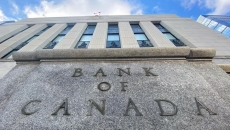
The Bank of Canada announced that it is holding its interest rate target at 0.25 per cent

The Bank of Canada announced that it is holding its interest rate target at 0.25 per cent
The Bank of Canada is warning that the downturn tied to COVID-19 will be the worst on record and that the economic recovery will depend on the effectiveness of current measures to bring the pandemic under control. The bank announced that it is keeping its key interest rate target on hold at 0.25 per cent, saying that it is effectively as low as it can go to combat the economic impacts of COVID-19.

The Bank of Canada announced that it is holding its interest rate target at 0.25 per cent

Liberals ease access to emergency COVID-19 benefit, plan to top-up wages

The federal government is making changes to its COVID-19 programs to send emergency aid to seasonal workers without jobs and those whose hours have been drastically cut but who still have some income. The changes will also allow people who are making up to $1,000 a month to qualify for the Canada Emergency Response Benefit, as well as those whose employment insurance benefits have run out since the start of the calendar year.    

Liberals ease access to emergency COVID-19 benefit, plan to top-up wages

Canada focused on fighting COVID-19 Trudeau steers clear of WHO controversy

Prime Minister Justin Trudeau refused Wednesday to join the escalating global debate about the World Health Organization's handling of the COVID-19 crisis, insisting Canada remains focused on working with experts around the world to combat the pandemic. Trudeau repeatedly batted back questions about Donald Trump's plan to halt funding to the UN agency and review what the U.S. president says was a failure to properly assess the threat posed by the novel coronavirus back in January.

Canada focused on fighting COVID-19 Trudeau steers clear of WHO controversy

With strong control measures, the federal public health agency projects that 11,000 to 22,000 Canadians could die of COVID-19 in the coming months

Canada could see the end of the first wave of the COVID-19 epidemic before autumn, according to federal projections, but only if strong physical distancing measures are strictly maintained the whole time. Even in that best-case scenario, the federal public health agency projects that a total of 4,400 to 44,000 Canadians could die of COVID-19 in the coming months.    

With strong control measures, the federal public health agency projects that 11,000 to 22,000 Canadians could die of COVID-19 in the coming months