
Wednesday, June 17, 2026
ADVT 
National

Surrey reports 53% above first-year target in Housing Target Progress Report

Darpan News Desk , 16 Jul, 2025 01:06 PM
  • Surrey reports 53% above first-year target in Housing Target Progress Report

At Monday’s Council meeting, Council approved the Housing Target Progress Report detailing the City’s progress in meeting housing targets set out by the province.

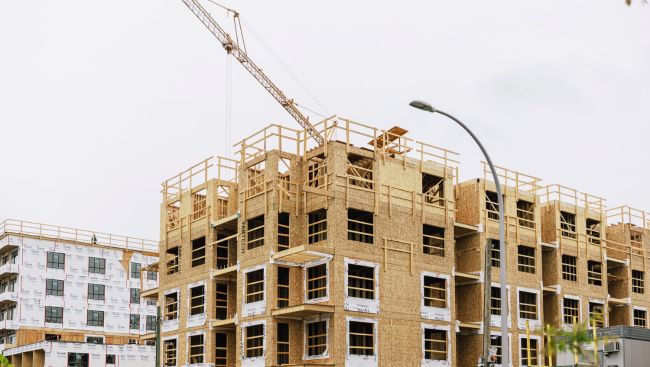
During the reporting period of July 1, 2024, to June 30, 2025, the City granted occupancy to a total of 6,488 net new units -- 53% above the first-year target of 4,233 net new units.

 “I am so excited to announce that the City of Surrey is exceeding the provincially imposed housing targets by more than 50% in the first year, demonstrating our commitment to increasing housing supply in the city,” said Mayor Brenda Locke. “We have made great progress and will continue to take bold steps to streamline our processes to support diverse housing options. The numbers in the report are a substantial achievement and reinforce that Surrey is a destination to live, work and build in. While the City is exceeding the mandated housing targets, we need to see the province stepping up to build the infrastructure we need—our hospital is in crisis, school are overcrowded, and we need to see more bus and transportation improvements for our growing population. The province wants Surrey to build housing, and we need to see them build the infrastructure we need.”

 On June 25, 2024, the minister of housing issued Surrey a five-year housing target, effective July 1, 2024, until June 30, 2029, of 27,256 net new units to be constructed.

 Currently, there are over 45,100 units with rezoning conditional approval awaiting construction and over 13,100 units with issued building permits that are at various stages of construction. Moving these units from application to construction and subsequently occupancy is critical.

The City is focused on accelerating the approval and development of housing projects. 

Over the last year, the City has implemented more than 30 process improvements that aim to reduce timelines, increase efficiency and support the development community to deliver housing.

“The progress in the first year of reporting is significant,” said Ron Gill, General Manager of Planning and Development. “Currently, there are a number of housing units in various stages of the development and construction approval process. The focus will continue to be working with the industry to ensure these projects move through the permitting process, ensure compliance and finalize construction.”

The report indicates Surrey is on track to meet the 2026 annual cumulative housing targets with the above target units granted occupancy, a significant number of units moving through the application and review process, and several process improvements already delivered.


MORE National ARTICLES

Commercial truck hits B.C. highway overpass, losing lumber load and snarling traffic

Commercial truck hits B.C. highway overpass, losing lumber load and snarling traffic
British Columbia's Highway Patrol says another commercial truck has hit an overpass in Metro Vancouver, causing no visible damage, but snarling traffic on Wednesday. Police say a load of lumber the tractor trailer was hauling along Highway 99 hit the Blundell Road overpass.

Commercial truck hits B.C. highway overpass, losing lumber load and snarling traffic

Consumers could find 'meaningful savings' as carbon price ends: Desjardins

Consumers could find 'meaningful savings' as carbon price ends: Desjardins
Canadians can expect to feel the absence of the consumer carbon price at the pumps immediately but it may take longer to notice a difference in the price of other goods, a new report released Wednesday suggests. The analysis by Desjardins Economics comes less than a week after Prime Minister Mark Carney and his new Liberal cabinet ordered that the consumer levy be set to zero on April 1.

Consumers could find 'meaningful savings' as carbon price ends: Desjardins

End of consumer carbon tax leaves $1.5-billion hole in B.C. budget

End of consumer carbon tax leaves $1.5-billion hole in B.C. budget
The budget released earlier this month shows the province was forecasting revenue of just over $2.5 billion from the tax in the 2024-25 fiscal year, while the estimated cost of the climate action tax credit was $995 million.

End of consumer carbon tax leaves $1.5-billion hole in B.C. budget

Ottawa caps non-sufficient funds fees at $10 starting March 2026

Ottawa caps non-sufficient funds fees at $10 starting March 2026
Ottawa has put in place new rules limiting the fees banks can levy on customers who don't have enough in their accounts to cover a cheque or other pre-authorized charges. The updates, included in an order-in-council last week, cap non-sufficient funds fees at $10 for personal deposit accounts, prohibit charging more than one NSF fee in a period of two business days, and prohibit charging an NSF fee when an account shortfall is under $10.

Ottawa caps non-sufficient funds fees at $10 starting March 2026

Federal government promises $2.55B in low-cost loans to build Toronto rental homes

Federal government promises $2.55B in low-cost loans to build Toronto rental homes
The federal government is promising billions in low-cost financing to help build thousands of rental homes in Toronto, including more than a thousand affordable units. Ottawa says it will provide $2.55 billion in financing through its Apartment Construction Loan Program, to be administered by the Canada Mortgage and Housing Corporation.

Federal government promises $2.55B in low-cost loans to build Toronto rental homes

Statistics Canada says population rose to 41,528,680 at Jan. 1 as growth slowed

Statistics Canada says population rose to 41,528,680 at Jan. 1 as growth slowed
Statistics Canada says the population grew to 41,528,680 people as of Jan. 1 as the pace of growth continued to slow after peaking in the third quarter of 2023. The total number of people was up 63,382 compared with Oct. 1, 2024, for a quarterly growth rate of 0.2 per cent.

Statistics Canada says population rose to 41,528,680 at Jan. 1 as growth slowed