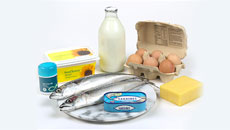
Human body physiology is equipped to tackle any infection proactively provided we are aware of some basic precaution and give priority to our nutritional health.

Infection and malnutrition have always been intricately linked. Malnutrition is the primary cause of immunodeficiency worldwide, and we are learning more and more about the pathogenesis of this interaction. Early 1960s, less was known about nutrition and infection. We believed that protein deficiency (kwashiorkor), more than total calorie deficiency (marasmus), was the predominant basis of nutrition problems. Then we started emphasizing on energy, with the assumption that if a person consumed enough kilocalories of energy, all nutrient needs would be met.
Now we are clearer that malnutrition and nutritional alterations, common complications of human immunodeficiency virus infection, include disorders of food intake, nutrient absorption, and intermediary metabolism, and play a significant and independent role in morbidity and mortality. This simple understanding is the key in any innovative research or pandemic situation like COVID-19, NIPA, and Ebola. Human body physiology is equipped to tackle any infection proactively provided we are aware of some basic precaution and give priority to our nutritional health.
KNOW THE FACTS:
• Does not spread from properly cooked non-vegetarian food
• Does not spread from Chinese food or carrier
• Has no risk from pets
• Symptom-free people need not use mask
• Every cough and cold is not corona
• Mild and moderate disease is curable with supportive care

Important to know about CORONAvirus:
• NCV (COVID-19) is a subtype of coronavirus family.
• These viruses are responsible for flu-like respiratory diseases.
• Previous coronavirus diseases were SARS and MERS.
• They are zoonotic (transmitted from animals).
HOW IT SPREADS:
• Droplet (cough)
• Fomite (hand to mouth)
• Ingestion (food-borne – very rare)
Diagnosis:
• Real-time PCR assay – done on sputum / throat swab / body fluids.
• Supportive test – complete blood count, chest X-ray, chest CT scan. Treatment:
• No specific treatment, no vaccine available – isolation care, supportive care (fluids) • Good nutrition
ABOUT THE AUTHOR
Rakim Chattopadhyay is a post graduate in Human Physiology and specialised in Medical Nutrition. He is the founder and CEO of
Esperer Onco Nutrition.