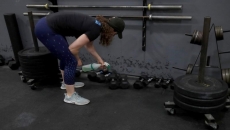
There was a time when women exercised to shrink, to fit, to correct, to recover from a night of indulgence, to be chosen. In 2026, that era is being challenged as women have evolved. The modern woman is self-aware, multi-faceted, and deeply capable. She understands that her body is not a problem to solve, but the foundation that supports the life she leads. Movement is no longer an obligation to be smaller. It is alignment and identity. It is a daily practice of remembering who she is.
This is the era of the self-led woman.
Women are no longer training to take up less space; they are training to become more themselves.
Fitness Has Matured, And So Have We
In a world of constant demands, multiple roles, and relentless digital noise, training has become something more than a calorie burn. It becomes a familiar stabilizer and a foundation that positively reinforces resilience. Training goals have shifted away from ‘bikini body’ to ‘regulated’, ’strong, ‘and ‘grounded.’
As strength training has become more widely embraced, a variety of training styles and classes have evolved. Women are turning to their internal self-compass to decide which option is best for them. Women are tracking every morsel of food less and paying closer attention to how food fuels energy, and how nutritional quality impacts health.

Aesthetic goals may remain, and there is nothing wrong with that, but they are no longer the sole reward. Daily clarity, steady energy, and emotional resilience have become greater daily rewards. As cultural messaging evolves, women are refining wellness on their own terms. They are turning inward, developing an internal compass that guides how they train, recover, and nourish themselves.
Movement as Identity Anchoring
High-achieving women don’t need more motivation; they need anchors.
McKinsey’s Future of Wellness research shows that across global markets, consumers are redefining fitness as holistic wellness, prioritizing recovery, mental clarity, stress regulation, and preventive health. A shift is also reflected in how fitness facilities and wellness businesses design their services. This broader shift is reflected at an individual level. When a woman trains three times a week, walks daily, prioritizes gut health, and protects her sleep, she not only takes ownership over herself, but she reinforces the standard that her wellness is important.
Equally important are the stabilizing physiological benefits of exercise, such as hormone balance, metabolic adaptability, cognitive clarity and brain health, blood sugar and insulin balance, increased bone density, and structural resilience. Movement rewires the sense of self, renews self-belief, and reinforces identity through repeated evidence of capability.
Emotional Regulation Through the Body
The self-led woman understands something our matriarchs were not taught: emotional stability starts in the body.
She is aware that stress is biochemical, that chronic overwhelm elevates cortisol, that blood sugar instability and missed meals affect mood and focus, and that sleep deprivation lowers resilience and decision-making capacity. Instead of separating mind and body, she integrates them by setting intentions to walk or cycle after a tense meeting. Choosing to disconnect before bed becomes a transition into restoration.
Routines Are Less Reactive, More Strategic
Scientifically, exercise improves mood through neurotransmitter support and enhances cognitive clarity through increased blood flow to the brain. Strength training in particular has been shown to reduce symptoms of anxiety and depression while improving confidence and perceived competence.
From an industry point of view, participation in practices such as yoga, breathwork, and sound healing continues to rise as women prioritize their resilience and nervous system health. A regulated nervous system enhances leadership, patience, and clarity. Healthy living is no longer a burden; it is proactive self-leadership.
Personal Leadership & Self-Respect
Leadership begins at home, in the quiet negotiations of the mind.
Before leading a team, a family, a business, or a community, a woman first learns to lead herself. Through a consistent routine, she builds trust in her own decisions and direction. Over time, lived experience shapes routine and behavior. This era of self-leadership signals a quiet reclamation of power. Women recognize their influence and treat their self-leadership as non-negotiable. Showing up when motivation dips, not from punishment, but from dedication. Pushing through a challenging set, not to burn extra calories but to build resilience.
This shift is influencing nutrition as well. Awareness around gut health, eating times, hormonal health, and energy stability has expanded. Women are asking better questions, seeking evidence-based information, and integrating it with intuitive intelligence. Simultaneously, the self-led woman approaches her health from a holistic perspective, making informed decisions grounded in both knowledge and self-trust.
The New Standard
The era of shrinking and exercising out of obligation has passed. It served its purpose, helping many women reconnect with their health, but a new standard has emerged.
Women are settling into themselves, their lives, and their bodies through self-leadership. They trust their inner compass and trust that it is safe to build a routine that supports their ambition. Fitness, in 2026, is not a seasonal reset that falls away when chaos strikes. It’s a regulatory tool and an avenue of reinforcing resilience, clarity, and strength. The new standard is becoming more of yourself, not less.