Friday, December 19, 2025
ADVT 
Health

Brain may produce nerve cells even after stroke

Darpan News Desk IANS, 12 Oct, 2014 11:13 AM
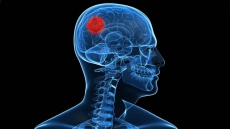
    Scientists have discovered a previously unknown mechanism through which the brain produces new nerve cells even after a stroke.
     
    Following an induced stroke in mice, brain support cells called astrocytes started to form nerve cells in the injured part of the brain.
     
    Using genetic methods to map the fate of the cells, the scientists demonstrated that astrocytes in the area formed immature nerve cells which then developed into mature nerve cells.
     
    "This is the first time that astrocytes have been shown to have the capacity to start a process that leads to the generation of new nerve cells after a stroke," said Zaal Kokaia, professor of experimental medical research at the Lund University in Sweden.
     
    A stroke is caused by a blood clot blocking a blood vessel in the brain, which leads to an interruption of blood flow and therefore a shortage of oxygen. 
     
    Many nerve cells die, resulting in motor, sensory and cognitive problems.
     
    During the study, scientists also identified the signalling mechanism that regulates the conversion of the astrocytes to nerve cells.
     
    In a healthy brain, this signalling mechanism is active and inhibits the conversion, and, consequently, the astrocytes do not generate nerve cells.
     
    Following a stroke, the signalling mechanism is suppressed and astrocytes start the process of generating new cells.
     
    "Interestingly, even when we blocked the signalling mechanism in mice not subjected to a stroke, the astrocytes formed new nerve cells," Kokaia added.
     
    "One of the major tasks now is to explore whether astrocytes are also converted to neurons in the human brain following damage or disease," said Olle Lindvall, senior professor of neurology at the Karolinska Institute in Sweden.
     
    The findings were published in the journal Science.
    MORE Health ARTICLES

    First molecular map to detect vision loss created

    First molecular map to detect vision loss created
    An Indian-origin researcher-led team has created the most detailed map to date of a region of the human eye, long associated with blinding diseases...

    First molecular map to detect vision loss created

    Revealed: Why brain tumours are more common in men

    Revealed: Why brain tumours are more common in men
    The absence of a protein known to reduce cancer risk can explain why brain tumours occur more often in males and are more harmful than similar tumours in females....

    Revealed: Why brain tumours are more common in men

    In-flight infants at greater death risk: Study

    In-flight infants at greater death risk: Study
    If we believe a shocking in-flight pattern revealed by researchers, lap infants are at greater risk of dying on board owing to bad sleeping arrangements....

    In-flight infants at greater death risk: Study

    Herbal anti-malaria drug may control asthma

    Herbal anti-malaria drug may control asthma
    According to researchers from National University of Singapore (NUS), the "artesunate" herbal drug can herald better treatment outcomes than other...

    Herbal anti-malaria drug may control asthma

    Probiotics crucial for super gut health

    Probiotics crucial for super gut health
    The bacteria that aid in digestion help keep the intestinal lining intact, scientists say, adding that daily probiotics hold the key to ward off inflammatory...

    Probiotics crucial for super gut health

    Watch your waistline for diabetes risk

    Watch your waistline for diabetes risk
    A British health report has warned that adults with a large waistline are five times more likely to develop type 2 diabetes....

    Watch your waistline for diabetes risk