Friday, December 19, 2025
ADVT 
Health

Brain may produce nerve cells even after stroke

Darpan News Desk IANS, 12 Oct, 2014 11:13 AM
    Scientists have discovered a previously unknown mechanism through which the brain produces new nerve cells even after a stroke.
     
    Following an induced stroke in mice, brain support cells called astrocytes started to form nerve cells in the injured part of the brain.
     
    Using genetic methods to map the fate of the cells, the scientists demonstrated that astrocytes in the area formed immature nerve cells which then developed into mature nerve cells.
     
    "This is the first time that astrocytes have been shown to have the capacity to start a process that leads to the generation of new nerve cells after a stroke," said Zaal Kokaia, professor of experimental medical research at the Lund University in Sweden.
     
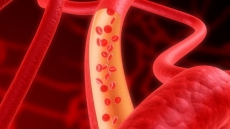
    A stroke is caused by a blood clot blocking a blood vessel in the brain, which leads to an interruption of blood flow and therefore a shortage of oxygen. 
     
    Many nerve cells die, resulting in motor, sensory and cognitive problems.
     
    During the study, scientists also identified the signalling mechanism that regulates the conversion of the astrocytes to nerve cells.
     
    In a healthy brain, this signalling mechanism is active and inhibits the conversion, and, consequently, the astrocytes do not generate nerve cells.
     
    Following a stroke, the signalling mechanism is suppressed and astrocytes start the process of generating new cells.
     
    "Interestingly, even when we blocked the signalling mechanism in mice not subjected to a stroke, the astrocytes formed new nerve cells," Kokaia added.
     
    "One of the major tasks now is to explore whether astrocytes are also converted to neurons in the human brain following damage or disease," said Olle Lindvall, senior professor of neurology at the Karolinska Institute in Sweden.
     
    The findings were published in the journal Science.

    MORE Health ARTICLES

    Brain 'switch' controlling blood sugar levels discovered

    Brain 'switch' controlling blood sugar levels discovered
    Researchers have identified the mechanism in the brain that is key to sensing glucose levels in the blood, linking it to both type 1 and type 2 diabetes....

    Brain 'switch' controlling blood sugar levels discovered

    Eye-wearable device can spot diabetes-related condition

    Eye-wearable device can spot diabetes-related condition
    Inspired by Google Glass, researchers have now developed a wearable eye-monitoring device that could lead to early detection of a common diabetes-related...

    Eye-wearable device can spot diabetes-related condition

    Simple blood test can now detect cancer

    Simple blood test can now detect cancer
    In a first, British researchers have devised a simple blood test that can be used to diagnose whether people have cancer or not...

    Simple blood test can now detect cancer

    Effective oral contraceptives for obese women soon

    Effective oral contraceptives for obese women soon
    Obese women who use oral contraceptives to prevent pregnancy can now heave a sigh of relief as researchers have identified ways to make birth control pills more effective....

    Effective oral contraceptives for obese women soon

    Green spaces impact birth weight positively

    Green spaces impact birth weight positively
    Where expecting mothers live can also have a bearing on the birth weight of their babies as researchers have found that mothers who live near green spaces deliver...

    Green spaces impact birth weight positively

    Useful blood gene variants spread in humans worldwide

    Useful blood gene variants spread in humans worldwide
    Two beneficial variants of a gene controlling red blood cells development have spread from Africa into nearly all human populations across the globe, a study reveals....

    Useful blood gene variants spread in humans worldwide