Refilling those plastic bottles again and again could actually be harmful to your health, as per a new research.
That's because the plastic bottle you're constantly replenishing isn't made to be re-filled - meaning it could have the potential to leach chemicals and harbour harmful bacteria.
In a study conducted by Treadmill Reviews, researchers lab-tested water bottles after each had been used by an athlete for a week and found that the highest number of bacteria reached over 900,000 colony forming units per square cm on average.
Worryingly, that's more bacteria than the average toilet seat. It also found that 60 per cent of the germs they found on the water bottles were able to people sick.
Although it is important to drink plenty of water, especially during the hot summer months, you may want to think twice next time you reach for that reusable bottle, if you want to avoid germs and getting sick.
It's also a great idea to buy BPA-free plastic bottles where possible or invest in a refillable one made out of glass or stainless steel. Because there have been concerns about Bisphenol A (BPA) - a controversial chemical, which is used in the manufacture of plastics and is thought to interfere with sex hormones.
"Certain chemicals found in plastic bottles can have effects on every system in our bodies,' Dr Marilyn Glenville warned Good Housekeeping.

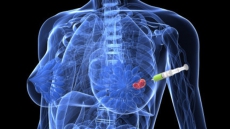
"They can affect ovulation, and increase our risk of hormonally driven problems like PCOS, endometriosis and breast cancer, among other things."
It's a sentiment shared by the NHS too, which has confirmed BPA has the potential to migrate into beverages. However, they have suggested that more research is required into the affects of the chemical on humans.
It said: "The science is not yet completely clear on how BPA may affect humans. BPA may mimic hormones and interfere with the endocrine system of glands, which release hormones around the body.
"Those calling for a ban suggest that it may be a factor in a rising numbers of human illnesses, such as breast cancer, heart disease and genital birth defects."
But aside from this, there is another potentially worrying side effect of topping up your water bottle - bacteria.
So what can you do to avoid becoming ill?
It's simple really - don't re-use disposable bottles. Drink from them once and then recycle.
Previous research has also shown that pregnant women exposed to BPA in high doses can potentially lead to low birth weight (LBW) in newborn children.