VICTORIA — Voters in British Columbia have rejected a proposal to switch to a system of proportional representation to elect members of the legislature.
It's the third time the idea of using proportional representation has failed in a referendum.
The current first-past-the-post system received 61.3 per cent of the votes cast, while proportional representation got 38.7 per cent in the results released by Elections BC on Thursday.
About 1.4 million voters cast ballots by the Dec. 7 deadline for the referendum, which represents a turnout of 42.6 per cent of eligible voters.
In 2005, about 57 per cent of ballots were cast in favour of proportional representation, which did not meet the threshold of 60 per cent to make it binding on the government.
Four years later, 61 per cent voted in favour of first past the post.
The latest referendum is binding and the winner was declared by a simple majority of votes cast.
Under proportional representation, the number of seats held by a party largely matches the percentage of votes its candidates receive versus the first-past-the-post model in which a candidate with the most votes in a district wins and then represents the riding.
Green Leader Andrew Weaver campaigned for a change to proportional representation and expressed his disappointment in the results.
"Over the course of the referendum, I had the opportunity to speak with countless British Columbians about their democracy," he said in a news release. "I was inspired to meet so many citizens who care deeply about modernizing our system of governance so it better reflects the will of the people."
B.C. Liberal Leader Andrew Wilkinson was pleased with the outcome of the referendum.
"However, to all the British Columbians who voted for a change believing that we need to improve our democracy, we can assure them that they have been heard," he said in a statement.
"We need a government for the 21st century. One that looks to the future to create opportunity for all of B.C., one that not only addresses the issues facing British Columbians today, but prepares for the ones they will face tomorrow. The best way to improve our democracy and restore faith in the system is by modernizing and adapting to meet those challenges in innovative and new ways."
Had voters backed proportional representation, the new system would have been put in place for provincial elections called on or after July 1, 2021.
In addition to asking voters which system they support, the ballot also included a second question that allowed voters to rank their preference for three types of proportional representation.
Other provinces, including Prince Edward Island and Ontario, have also held referendums on their electoral systems but neither made any changes.
In Prince Edward Island in 2016, the Liberal government decided not to honour a provincial plebiscite on electoral reform, in which only 36 per cent of eligible voters took part. Premier Wade MacLauchlan said it was debatable whether the result reflected the will of Islanders, and announced another vote will be held during the 2019 provincial election.
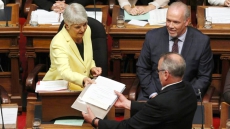
Premier John Horgan argued the province's current system is unfair because in the last five B.C. elections only one political party formed a government after receiving more than 50 per cent of the votes. In the other elections, parties with less than 50 per cent of the popular vote were able to form a government.
The 2017 provincial election saw the Liberals and NDP each receive slightly more than 40 per cent of the vote. But the New Democrats eventually formed a minority government with the support of the Greens, who won three seats and took almost 17 per cent of the popular vote.