Tuesday, June 16, 2026
ADVT 
National

Care home changes aim to give families more say

Darpan News Desk The Canadian Press, 03 Nov, 2022 03:26 PM
  • Care home changes aim to give families more say

VICTORIA - The B.C. government says it's giving long-term care residents and their families a more direct line of communication with decision-makers on issues that affect them, after many expressed frustration during the COVID-19 pandemic.

Mable Elmore, parliamentary secretary for senior services, says changes to the residential care regulation will strengthen the voices of resident and family councils.

The councils, which she likened to residential stratas, are groups of people who meet regularly to promote the collective interests of residents and discuss concerns.

The changes include requiring operators to meet more frequently with the councils and the formation of regional and provincial committees.

They come after many families expressed distress during the COVID-19 pandemic about staffing shortages, inconsistent compliance with health regulations and a lack of say over their loved ones' care.

Kim Slater, founder of Family Councils of BC, says the changes are a "game-changer" that will add family voices to policy decision-making, which has historically only included the Health Ministry, health authorities, workers unions and service providers.

"Now, the very people who are actually experiencing long-term care, up close and personal, will have a guaranteed independent collective voice in policy decisions that are impacting them."

Nola Galloway said she helped form an independent family council for her father's home after he went into care in 2009.

She said she believes the councils are essential contributors to improving the quality of life for residents in long-term care, but the pandemic highlighted why it was important they have a guaranteed voice in decisions that affect them.

"Families felt helpless as decisions were being made that tremendously impacted them and their loved ones, yet they had zero input into those decisions."

Those independent councils banded together to form regional associations and then a provincial one, the Family Councils of BC, early this year, she said.

The changes announced Thursday should alleviate some of the challenges those bodies have previously faced without detailed Health Ministry protocols in place to support them, Galloway said.
MORE National ARTICLES

1,846 COVID19 cases over 3 days

1,846 COVID19 cases over 3 days
There are currently 4,917 active cases of COVID-19 in the province, and 190,918 people who tested positive have recovered. Of the active cases, 360 individuals are currently in hospital and 151 are in intensive care. The remaining people are recovering at home in self-isolation.

1,846 COVID19 cases over 3 days

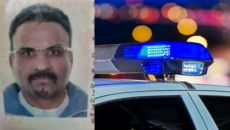
Surrey RCMP need the public's help in locating missing male Kulvinder Pooni

Surrey RCMP need the public's help in locating missing male Kulvinder Pooni
Pooni is described as an South Asian male, 70kg, 5.8”, short black hair, black goatee, black eyes, wearing a grey jacket with black pants. Pooni is known to frequent 120th Street and 72nd Avenue in Surrey. 

Surrey RCMP need the public's help in locating missing male Kulvinder Pooni

BoC chief warns of ongoing supply-chain pressures

BoC chief warns of ongoing supply-chain pressures
Annual inflation rates have run above the Bank of Canada's comfort zone since April, reaching 4.1 per cent in August. The central bank expects readings higher than its target of two-per-cent through the rest of the year.

BoC chief warns of ongoing supply-chain pressures

580 COVID19 cases and new rules for northern B.C. as COVID spreads

580 COVID19 cases and new rules for northern B.C. as COVID spreads
British Columbia's provincial health officer has announced new restrictions for the northern health region in an attempt to stop the rapid spread of COVID-19 through those who are unvaccinated.  Dr. Bonnie Henry announced the further restrictions will continue until Nov. 19.

580 COVID19 cases and new rules for northern B.C. as COVID spreads

Freeland non-committal on border COVID testing

Freeland non-committal on border COVID testing
Freeland says Canada needs to remain vigilant against the virus — and that includes making sure that people who cross the Canada-U.S. border are not infected. When fully vaccinated Canadian visitors are allowed to cross the land border into the U.S. next month, they won't be required to show negative test results.

Freeland non-committal on border COVID testing

B.C.'s youth in care to receive iPhones: ministry

B.C.'s youth in care to receive iPhones: ministry
Minister Mitzi Dean says the program is the first project of its kind in the province and, in collaboration with Telus, will distribute iPhones equipped with voice, five gigabytes of data, a phone case, screen protector and charger, all paid for by government.

B.C.'s youth in care to receive iPhones: ministry