.jpg)
British Columbia has recorded its deadliest February yet for illicit drug overdoses with 155 lives lost last month.
The BC Coroners Service says it is the 11th consecutive month in which the province has recorded more than 100 fatalities.
Chief coroner Lisa Lapointe says in a news release that the number of deaths highlights the ongoing critical risk to public health and safety from the illicit drug market.
The number of deaths also marks an increase of 107 per cent over February 2020, and makes last month the second consecutive month in which the average number of daily deaths was above five.
The coroners service also says 15 per cent of lives lost so far in 2021 were people over 60, and 40 per cent were over 50, continuing a trend that has been seen in older age groups in recent years.
The service says increased variability and toxicity in the drug supply continues to significantly contribute to the overall number of suspected deaths.
Carfentanil, a more lethal analogue of fentanyl, was detected in 18 of the 155 deaths, an increase from the January total of 14, the largest monthly figure recorded since April 2019.
"This data emphasizes the alarming increase in the toxicity of the illicit drug supply throughout B.C.," Lapointe said in the release Wednesday.
"Across the province, the risk of serious harm or death is very real for anyone using a substance purchased from the illicit market. Decisive action is urgently needed to ensure an accessible, regulated safe supply and to provide people with the supervised consumption, treatment and recovery services they need."
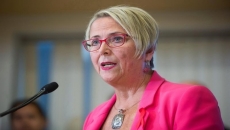
Sheila Malcolmson, minister of mental health and addictions, said in a statement the 155 deaths in February are a "heartbreaking loss."
“We know people are hurting now, and we must do more to stop this terrible surge in overdose deaths. Stigma and criminalization are driving people to use alone, and the pandemic is pushing people further into isolation."
She said in 2019, before the pandemic, B.C. had brought overdose deaths down for the first time since 2012.
The province has added more supervised consumption services, increased access to naloxone and improved treatment options, she said, and that saved lives.