Friday, June 12, 2026
ADVT 
National

COVID-19 deaths hit racialized communities hardest: Stats Can

Darpan News Desk The Canadian Press, 28 Oct, 2020 10:07 PM
  • COVID-19 deaths hit racialized communities hardest: Stats Can

A new Statistics Canada report says communities with the most visible minorities had the highest mortality rates during the first wave of the novel coronavirus.

The report's authors say it is more evidence that the pandemic is disproportionately affecting visible minorities, who are more likely to live in overcrowded housing and work in jobs that put them more at risk of exposure to COVID-19.

Other studies have shown visible minorities are more likely to suffer from conditions such as diabetes and high blood pressure, which are considered to make an individual at higher risk for serious illness or death from COVID-19.

In the four biggest provinces — which account for 99 per cent of the deaths from COVID-19 between March and July — death rates from COVID-19 were twice as high in communities where more than one in four people identify as a visible minority, compared with communities where less than one per cent of residents did.

The death rates are adjusted for age to account for different age structures in different neighbourhoods.

It found in communities where less than one per cent of the population identified as a visible minority, the death in the first wave was 16.9 for every 100,000 people. In communities with a visible minority population between 10 and 25 per cent, the death rate was 27.3 and for communities with visible minority populations of more than 25 per cent, the death rate was 34.5.

In Ontario and Quebec, the rates were 3.5 times as high in communities where more than one-fourth of residents identify as visible minorities.

Nearly 8,800 people died in the first wave of the pandemic in Canada, 94 per cent of them in Quebec and Ontario.

Canadian and provincial public health agencies do not collect much data on the race of patients with COVID-19, so Statistics Canada used the national database on deaths and census data on visible minorities and neighbourhoods to compile the report.

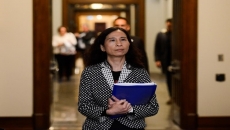
Chief public health officer Dr. Theresa Tam, who said early in the pandemic there were no plans to collect race-based data on cases of COVID-19, said Wednesday that finding out who is most affected by an illness like COVID-19 can help drive policy decisions about where to direct resources.

"So under those circumstances, doubling efforts to focus on providing support, whether it's lab testing, or anything else in those communities, I think would be extremely important," she said.

MORE National ARTICLES

Sophie Gregoire Trudeau launches podcast series about mental health well-being

Sophie Gregoire Trudeau launches podcast series about mental health well-being
Sophie Gregoire Trudeau has launched a podcast in which she discusses the mental health challenges of the COVID-19 pandemic.

Sophie Gregoire Trudeau launches podcast series about mental health well-being

Feds eye new tools to help Access to Information system recover after COVID-19

Feds eye new tools to help Access to Information system recover after COVID-19
The Trudeau government says it will look at whether investments in new technology could help clear any backlog of information requests that arises from a COVID-19 related bottleneck.

Feds eye new tools to help Access to Information system recover after COVID-19

Murky mystery of COVID-19's origins takes back seat in Canada to easing crisis

Murky mystery of COVID-19's origins takes back seat in Canada to easing crisis
The federal government will remain focused on navigating Canada out of the COVID-19 crisis before turning to the murky mystery surrounding the origins of the novel coronavirus, says Health Minister Patty Hajdu.

Murky mystery of COVID-19's origins takes back seat in Canada to easing crisis

Wilkins: Bank's independence key to recovery

Wilkins: Bank's independence key to recovery
The Bank of Canada will need to maintain its independence to aid the economy during and after the COVID-19 pandemic, particularly as the country's debt levels rise, says the bank's second-in-command.

Wilkins: Bank's independence key to recovery

Ceremony planned for service members killed in helicopter crash

Ceremony planned for service members killed in helicopter crash
The Canadian Armed Forces is planning to hold a ramp ceremony Wednesday to honour the six service members who went down with a military helicopter that crashed off the coast of Greece, even though the remains of five have not been recovered.

Ceremony planned for service members killed in helicopter crash

No more free ride on Metro Vancouver transit

No more free ride on Metro Vancouver transit
Transit users in Metro Vancouver will have to start paying bus fares again starting June 1. TransLink, the authority responsible for regional transportation, says fare collection and front-door boarding on buses will resume next month, although physical distancing measures to reduce the spread of COVID-19 remain in place.

No more free ride on Metro Vancouver transit